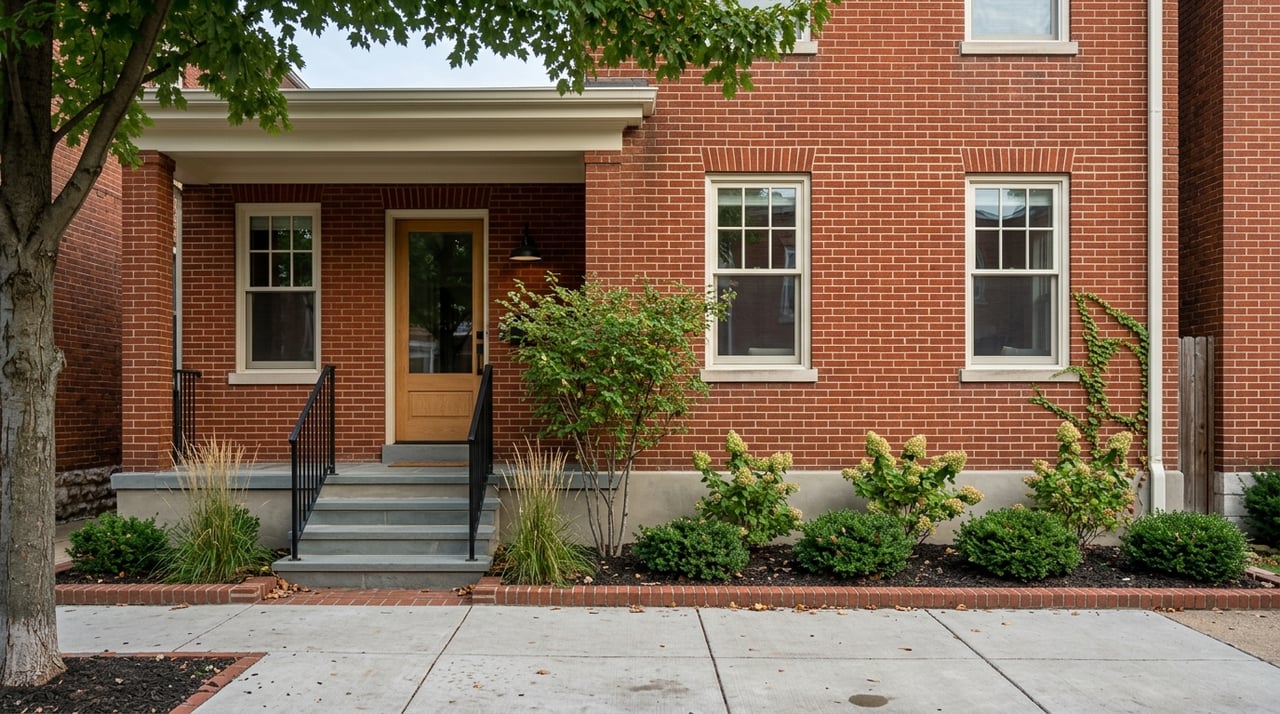
Looking for a neighborhood where you can grab coffee, stroll to a park, catch a bus, and still feel connected to the heart of Ann Arbor? If that sounds like your version of home, in-town living here offers more range than many buyers expect. From lively downtown blocks to quieter historic streets, Ann Arbor gives you several ways to live with less dependence on a car. Let’s dive in.
Why walkability stands out in Ann Arbor
Downtown Ann Arbor is built for movement on foot. The Downtown Development Authority describes the core as four distinct neighborhoods across 67 walkable blocks, with more than 7,600 residents living downtown. That scale helps create an environment where daily errands, dining, events, and public spaces are close together.
City and DDA projects also support a car-light lifestyle in practical ways. Huron Street has seen pedestrian-focused upgrades like new sidewalks, bump-outs, trees, benches, lighting, and enhanced crosswalks. State Street has been rebuilt as a curbless, pedestrian-focused street along the University of Michigan central campus.
Transit adds another layer of convenience. TheRide’s fixed-route system reaches nearly every corner of the Ann Arbor-Ypsilanti area, and many routes orient toward downtown Ann Arbor’s Blake Transit Center. For many buyers, that makes Ann Arbor less about going fully car-free and more about having the flexibility to drive less often.
Main Street and Kerrytown
If you want the most urban version of in-town living, Main Street and Kerrytown are strong places to start. Main Street is the city’s dining, shopping, and entertainment spine, with restaurants, music venues, galleries, cocktail bars, and independent bookstores all shaping the day-to-day feel. It is the part of Ann Arbor that feels most like a true downtown lifestyle.
Kerrytown adds another layer of convenience and character. The year-round Ann Arbor Farmers Market offers produce, prepared foods, beverages, and artisan goods, and it is only four blocks from the Blake Transit Center. That makes it easy to picture a routine built around walking to weekend shopping, local errands, and nearby transit.
From a housing perspective, this area is best understood as urban and mixed-use, with a condo-oriented feel near the core. Residential frontage sits alongside commercial and civic uses, and downtown continues to add mixed-use residential projects. If you prefer low-maintenance living close to restaurants and cultural activity, this area often matches that goal.
State Street and South University
State Street and South University offer a campus-adjacent version of walkable living. State Street borders U-M’s central campus, so the area tends to have steady pedestrian activity and a more energetic street presence. If you enjoy being near museums, shops, and year-round activity, this district deserves a close look.
This part of town also offers easy access to culture. UMMA on South State is always free, and the Museum of Natural History at North University is also free. The State Street District also includes a dense mix of shops, theaters, galleries, and recurring events that help the neighborhood feel busy and active.
The street design supports that experience. With State Street rebuilt as a curbless, pedestrian-focused corridor, the area feels intentionally shaped around people moving through it on foot. For buyers who want a lively, central location with strong access to arts and campus amenities, this is one of Ann Arbor’s clearest fits.
Old Fourth Ward
Old Fourth Ward offers a different pace while keeping downtown close. The city’s survey identifies a long period of significance from 1824 through 1944, along with a wide mix of architectural styles and building types. That history shows up in the streetscape and gives the area a distinct sense of place.
The nearby Ann Street Historic Block is especially compact and dense, with 19th-century houses and almost all pre-1900 construction. For buyers, that often translates to a more intimate, street-by-street experience than what you find on the main retail corridors. You are still near downtown, but the feel is often more residential and architectural.
This is a smart neighborhood to consider if you want walkability paired with historic character. It can appeal to buyers who value older homes, established streets, and proximity to the city center without being right in the middle of the busiest downtown blocks.
Old West Side
Old West Side is one of Ann Arbor’s most recognizable historic neighborhoods for in-town buyers. It is the city’s largest and oldest historic district, and it remains mostly residential. The neighborhood association describes tree-lined streets, modest one-family homes, front porches, and structures dating from 1850 to 1925.
That combination creates a walkable area with a more traditional neighborhood feel. You can be close to downtown while enjoying a setting defined more by homes and local streets than by storefronts. For many buyers, that balance is exactly what makes Old West Side appealing.
If you are drawn to renovated historic homes or architecture with lasting character, Old West Side stands out. It is especially worth considering if you want the convenience of in-town access without giving up a more residential environment.
Burns Park
Burns Park gives you a softer, more residential take on central Ann Arbor living. Located just south of the city center, the neighborhood combines a large park, the senior center, and nearby daily conveniences. The city notes that the area is accessible on foot and by bike, with bus stops within a five-minute walk from the park.
A city study describes Lower Burns Park as largely developed from the 1910s through the 1940s, with mostly single-family homes plus a few small apartment buildings and retail stores. That housing mix helps explain why the neighborhood feels established and residential while still supporting everyday walkability. It is often a good fit for buyers who want in-town access in a quieter setting.
The park itself is a major part of the lifestyle. Burns Park includes sports courts, a playground, and restrooms, which adds practical outdoor space right into the neighborhood fabric. If your ideal day includes both downtown access and nearby green space, Burns Park checks both boxes.
What daily life can look like
Walkable living is about more than distance on a map. It is about whether your routine feels easy once you step outside. In central Ann Arbor, that routine can include groceries, coffee, transit, parks, and cultural events all within a compact area.
The Ann Arbor Farmers Market is one of the strongest examples. As a year-round market with food and artisan offerings, it adds real everyday utility, not just weekend charm. Downtown’s people-focused street design reinforces that convenience by making walking feel more natural and comfortable.
Events also shape the in-town experience. The State Street District highlights museums, theaters, galleries, and festivals, while Destination Ann Arbor notes that the Ann Arbor Art Fair spans 30 city blocks and nearly 1,000 artists. Ann Arbor Summer Festival and Top of the Park add another seasonal layer, and Sonic Lunch brings free Thursday lunchtime concerts to downtown.
Green space is part of the picture too. Wheeler Park in Kerrytown includes a playground and a winter-cleared path, West Park offers 27 acres with trails, gardens, and a historic bandshell, and Nichols Arboretum features nearly 3.5 miles of trails with free admission. These spaces help make central living feel balanced, not just busy.
Choosing the right fit
The best walkable Ann Arbor neighborhood depends on how you want your days to feel. Some buyers want the simplest possible access to restaurants, markets, and events. Others want historic architecture, quieter blocks, or more immediate access to parks.
Here is a simple way to think about the options:
- Main Street and Kerrytown: Best for a more urban, mixed-use lifestyle with easy access to dining, shopping, the farmers market, and transit.
- State Street and South University: Best for campus-adjacent living with museums, retail, and a lively pedestrian atmosphere.
- Old Fourth Ward: Best for historic character close to downtown with a more intimate street feel.
- Old West Side: Best for buyers who want a mostly residential historic district within walking distance of downtown.
- Burns Park: Best for a residential in-town setting with strong park access and everyday walkability.
Housing style matters too. Downtown districts tend to support more low-maintenance living, especially for condo-oriented buyers, while the older residential neighborhoods lean more toward historic homes and established streetscapes. If you are comparing options, it helps to think beyond commute time and focus on the rhythm of your daily life.
A note on historic districts
If you are considering Old West Side, Old Fourth Ward, Ann Street, or another historic district, it is worth understanding how exterior changes are handled. The city says the Historic District Commission uses design guidelines for work in historic districts. That means future exterior updates may be subject to review.
For many buyers, that structure is part of what helps preserve neighborhood character over time. Still, it is an important detail to factor in if you are planning renovations or want flexibility with exterior changes. Knowing that early can help you choose a neighborhood that fits both your lifestyle and your long-term plans.
Ann Arbor offers a rare mix of compact downtown energy, established historic neighborhoods, and practical transit access in one market. If you are weighing where to focus your search, a place-savvy strategy can help you match your priorities with the right block, building, and lifestyle. To explore walkable homes, condos, and historic properties with a refined, locally informed approach, connect with Real Estate One.
FAQs
What makes Ann Arbor good for walkable in-town living?
- Downtown Ann Arbor includes 67 walkable blocks, pedestrian-focused street improvements, and access to TheRide, which supports a car-light lifestyle centered on walking, biking, and transit.
Which Ann Arbor neighborhood feels most urban and walkable?
- Main Street and Kerrytown usually offer the most urban experience, with restaurants, shops, entertainment, the farmers market, and convenient access to downtown transit.
Which Ann Arbor neighborhood is best for campus-adjacent living?
- State Street and South University are the clearest fit for campus-adjacent living, with museums, shops, events, and steady pedestrian activity near U-M’s central campus.
Which Ann Arbor neighborhoods offer historic homes near downtown?
- Old Fourth Ward and Old West Side are two of the strongest options for buyers who want historic character and walkable access to downtown.
What should buyers know about Ann Arbor historic districts?
- In Ann Arbor historic districts, exterior work may be reviewed under the city’s Historic District Commission design guidelines, so it is important to understand those rules before planning changes.
Is Burns Park walkable for everyday living in Ann Arbor?
- Yes. Burns Park offers a more residential in-town setting with park access, bus stops within a five-minute walk from the park, and a housing mix that supports daily convenience.