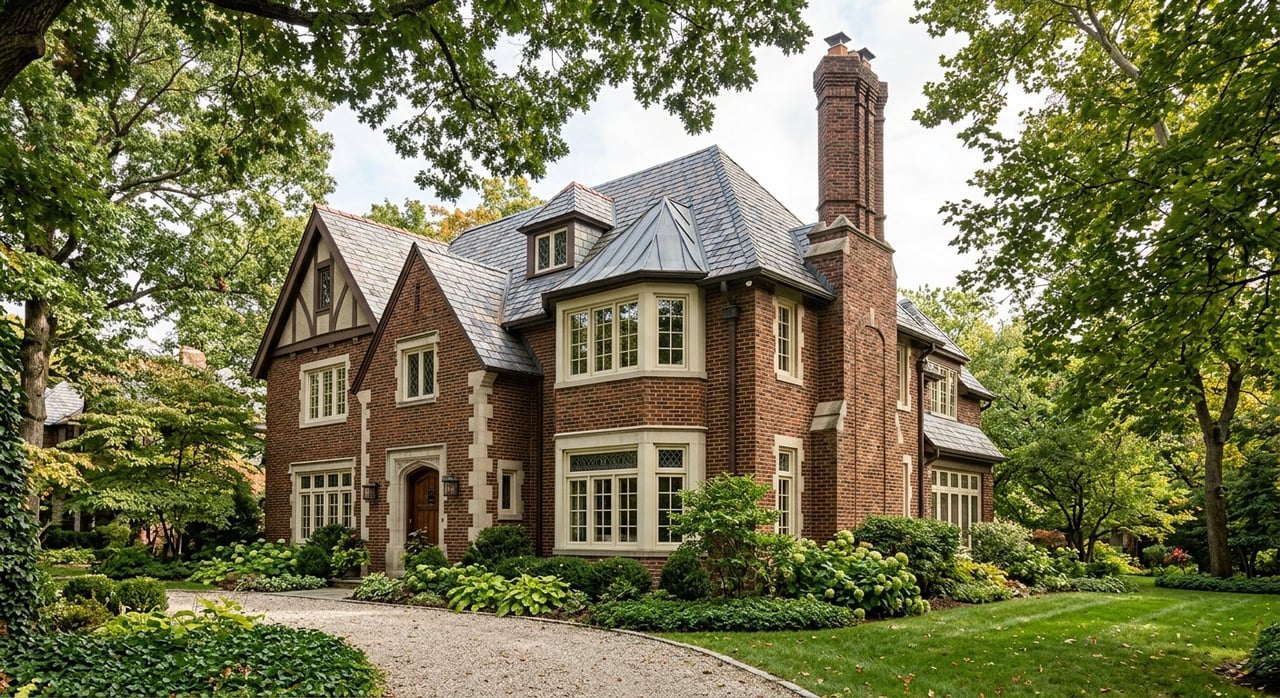
If you are getting ready to sell in Palmer Woods or Sherwood Forest, your biggest advantage may not be a dramatic remodel. In these northwest Detroit neighborhoods, buyers often respond to homes that feel true to their architecture, setting, and history. If you understand what to repair, what to preserve, and what to document before you list, you can present your home with more confidence. Let’s dive in.
Why these neighborhoods need a tailored plan
Palmer Woods and Sherwood Forest are often grouped together, but they do not operate the same way. They sit within a broader northwest Detroit corridor that also includes Green Acres and the University District, each with its own housing character, standards, and pricing patterns. That matters because a smart pre-list strategy should reflect the rules and expectations tied to your specific location.
According to the Detroit Historical Society’s Palmer Woods overview, Palmer Woods is bounded by Seven Mile, Woodward, and Strathcona and is known for curving streets and architecture that includes Georgian, Mediterranean, Tudor, and Arts and Crafts styles. Sherwood Forest, by contrast, is a City of Detroit local historic district with roughly 435 houses and a strong preservation identity. If you are preparing to list, that difference should shape your timeline and decisions from the start.
Know the approval rules first
Palmer Woods rules differ from Sherwood Forest
One of the most important pre-list questions is whether your recent or planned exterior work needs historic review. Palmer Woods is listed on the National Register of Historic Places, but the Palmer Woods Association states that it is not a City of Detroit historic district, which means Historic District Commission approval is not required there. That can make planning simpler for sellers who are handling exterior touch-ups before listing.
Sherwood Forest is different. The City of Detroit requires exterior work in local historic districts to go through review and approval by the Historic District Commission for work involving construction, alteration, demolition, and site preparation, as outlined in the city’s local historic district information. If your home is in Sherwood Forest, it is wise to confirm the approval path before you commit to visible exterior updates.
Exterior details may fall under review
Historic review is not just about major additions. The city’s Historic District Commission guidance on fences and paving shows that site elements such as fencing, paving, and landscaping can be part of the review universe in local historic districts. For sellers, that means even seemingly simple changes to the front approach or yard should be considered carefully.
If you are not sure whether a project was approved in the past, gather records early. That step can prevent delays once buyers begin asking questions.
What buyers notice in these homes
Architectural authenticity matters
In Palmer Woods and Sherwood Forest, buyers are often drawn to homes that feel architecturally intact. The appeal is not just square footage or updated finishes. It is the original materials, preserved proportions, mature landscaping, and the sense that the home still reflects its period.
The Palmer Woods home and garden tour materials highlight restored original details, architecture, and garden composition as major attractions. In Sherwood Forest, the neighborhood’s historic identity is closely tied to its English Tudor and Georgian Colonial homes, winding streets, and long-standing preservation culture. When you prepare to list, it helps to think about how your home’s original character comes across at first glance.
Landscaping is part of the presentation
In Palmer Woods, the lot and landscape are part of the home’s appeal. The neighborhood’s curving streets were designed by Ossian Cole Simonds to fit the terrain and reduce through-traffic, according to the Detroit Historical Society. That means front walks, site lines, mature plantings, and the relationship between the house and the lot can play an important role in how buyers experience the property.
Before listing, focus on polish rather than reinvention. Clean edges, healthy plantings, repaired hardscape, and a clear view of the home’s architectural lines can support the kind of first impression these buyers value.
Style-defining features should stay intact
Sherwood Forest homes often stand out because of their architectural detail. The city’s district description notes that English Revival houses may include complex facades, gables, bays, irregular openings, and asymmetrical massing, while classically inspired homes tend to be more symmetrical. Those features are not distractions. They are part of the reason buyers are interested in the neighborhood.
If you are considering exterior work before listing, the goal is usually to preserve and repair those defining elements, not simplify them. A cleaner, well-maintained version of the home’s original design is often more compelling than changes that make it look less like itself.
Pre-list updates that usually make sense
Prioritize repair over redesign
For many sellers, the best return comes from addressing the things buyers see first. That often includes:
- rooflines
- masonry
- porches
- chimneys
- trim
- windows
- front walks
- landscaping
These updates support the home’s overall credibility without changing its identity. In Sherwood Forest, preservation standards make that especially important, and the neighborhood’s rules have historically emphasized exterior materials and forms that fit the district.
Protect original windows and details when possible
Original windows and trim are often part of a historic home’s appeal. In a district where buyers care about period character, replacing those elements with generic alternatives may work against your listing presentation. If repair is feasible, it may be the better path both aesthetically and, in some cases, from an approval standpoint.
The same mindset applies to original doors, hardware, stained glass, masonry details, and fireplaces. Across this broader northwest Detroit corridor, including Green Acres, buyers often respond to distinct period features that give homes personality and continuity.
Avoid over-renovating before market
Not every improvement adds value in the same way. In neighborhoods where architecture and preservation matter, a broad, high-gloss remodel can sometimes weaken the home’s appeal if it strips away craftsmanship or original detail. Buyers in these areas are often looking for homes with historic credibility, not homes that have been made to look interchangeable.
That does not mean you should ignore condition. It means your updates should support the house you have, rather than compete with it.
Get your paperwork ready
Documentation can reduce friction
Good preparation is not only visual. It is also administrative. If you have completed major work, gather permits, contractor invoices, warranties, and any approval records before your home goes live.
This is especially relevant in nearby areas like the University District, where the community association standards emphasize permits and a current Certificate of Occupancy when a home is sold or rented. Even if your home is not in that specific neighborhood, the broader lesson still applies: organized documentation helps buyers feel informed and can make your listing look better prepared.
Build a pre-list file
A simple seller file can include:
- recent repair and renovation records
- permit documentation
- any applicable historic approvals
- roof, mechanical, or system service records
- utility or maintenance information you want buyers to understand
When questions come up during showings or inspections, having these materials ready can help keep the process moving.
Pricing and positioning are neighborhood-specific
These neighborhoods do not move as one uniform market. The research shows clear differences in pricing among Palmer Woods, Sherwood Forest, University District, and Green Acres. Zillow’s late-February 2026 neighborhood values place Palmer Woods at $515,337, Sherwood Forest at $357,353, University District at $310,117, and Green Acres at $208,268, based on Zillow neighborhood value data.
That spread is a reminder that your listing strategy should be local and highly specific. A home in Palmer Woods should not be presented the same way as a home in Green Acres, and even Palmer Woods and Sherwood Forest require different framing because of their rules, housing stock, and buyer expectations.
In short, preparation is not just about improving the house. It is also about telling the right story for the neighborhood and backing it up with a pricing and presentation strategy that fits the market segment.
Why local historic-home experience matters
Selling a home in Palmer Woods or Sherwood Forest often involves more nuance than a standard listing. You may need to evaluate whether a change needs review, decide whether original elements should be repaired or replaced, and determine which improvements support value without erasing character. Those are not small decisions when your buyer pool is paying close attention to authenticity.
That is why neighborhood-specific guidance matters. A well-prepared listing in these areas should reflect preservation awareness, strong presentation, and a clear understanding of what buyers are actually looking for.
If you are thinking about listing in Palmer Woods or Sherwood Forest, Maxbroock Detroit can help you shape a plan that respects your home’s architectural identity while positioning it for the market with polish and clarity.
FAQs
What should you fix before listing a home in Palmer Woods?
- Focus first on visible repairs like masonry, trim, rooflines, porches, windows, front walks, and landscaping, while preserving original character whenever possible.
Do sellers in Sherwood Forest need Historic District Commission approval?
- Yes. Sherwood Forest is a City of Detroit local historic district, so exterior work may require review and approval through the Historic District Commission.
Does Palmer Woods require historic district approval for exterior work?
- No. Palmer Woods is listed on the National Register of Historic Places, but it is not a City of Detroit historic district, so city Historic District Commission approval is not required.
Why does original architecture matter when selling in Sherwood Forest?
- Buyers are often drawn to style-defining details such as gables, bays, masonry, original windows, and overall period design, so preserving those features can strengthen presentation.
What documents should sellers gather before listing a historic home?
- It helps to collect permits, contractor invoices, repair records, warranties, service history, and any applicable historic approval documents before the home goes on the market.
How are Palmer Woods and Sherwood Forest priced compared with nearby neighborhoods?
- Recent neighborhood value data shows Palmer Woods above Sherwood Forest, with both priced above nearby University District and Green Acres, which supports a neighborhood-specific pricing strategy.