What if your morning coffee came with a view of world-class art, and your evening plans were a symphony or a gallery opening a short walk from home? If you are drawn to culture, walkability, and a lively yet manageable urban pace, Midtown Detroit’s Cultural Center in 48201 deserves a close look. You want real insight into daily life, housing options, and how to get around without guesswork. This guide breaks down what it feels like to live here, plus practical tips to help you decide if it fits your lifestyle. Let’s dive in.
What defines Midtown’s Cultural Center
Midtown sits just north of downtown and bridges to New Center, with identity shaped by its institutions rather than subdivisions. The area is home to Wayne State University, a major presence that adds energy, events, and a steady daytime population of students and staff. You will also find flagship cultural anchors like the Detroit Institute of Arts, the Detroit Public Library Main Branch, Orchestra Hall, and the Charles H. Wright Museum of African American History. The result is a district where museums, performances, and lectures are part of everyday life.
A central steward of neighborhood improvements is Midtown Detroit, Inc. The organization supports events, streetscape upgrades, small business development, and public safety initiatives in partnership with local institutions. That coordination helps keep sidewalks active, adds amenities, and supports the evening and weekend cultural calendar that residents enjoy.
Day-to-day rhythm
On weekdays, the neighborhood moves with students, faculty, medical professionals, and museum visitors. The sidewalks around campus and the cultural venues hum through the afternoon, and you will see deliveries, bike traffic, and people headed between classes or meetings. Evenings and weekends bring concerts, lectures, exhibitions, and neighborhood festivals. It feels lively and social, with a dining and arts scene that attracts both locals and visitors without the intensity of a 24-hour downtown core.
Museums, shows, and programs
If you want culture at your doorstep, this is where you find it. The Detroit Institute of Arts anchors the museum district with a celebrated encyclopedic collection and the famous Diego Rivera murals. Contemporary art fans appreciate rotating exhibitions and experimental programming at MOCAD. For hands-on learning and family-friendly experiences, the Michigan Science Center offers interactive exhibits and frequent special events. Regular orchestral performances, lectures, and visiting acts round out a packed calendar across the neighborhood.
Eating, coffee, and errands
You will find a strong mix of independent cafés, bakeries, and small restaurants clustered near Wayne State and along Woodward, Cass, and Second. Everyday needs are close at hand, including grocers, pharmacies, and service businesses that make car-free errands realistic. The dining scene serves students, faculty, medical staff, and evening showgoers, so you can expect steady hours and lively patios when the weather cooperates.
Getting around Midtown
Midtown is built for walking, with many errands and cultural destinations within a short stroll. Third places like cafés and campus greens are never far, and the compact street grid makes it easy to hop between blocks. For a quick check on neighborhood walkability patterns, tools like Walk Score offer helpful context.
Transit is a strong option for regular trips. The QLINE runs along Woodward Avenue and connects Midtown to downtown and New Center, with frequent stops near the cultural corridor and campus. To plan service and stops, review route details at M-1 Rail. DDOT bus lines also serve the area, and bike infrastructure plus bike-share expand your non-car options. If you need to drive regionally, I-75 and I-94 are close for quick access across the metro area.
Parking and vehicles
Expect a mix of on-street parking, resident garages, and paid public garages near major venues. Some locations use permits or time limits, especially on residential blocks or around campus. Visitors often choose garages or metered lots for events, while many residents rely on walking or transit for daily needs and keep a car for weekend or regional travel.
Housing at a glance
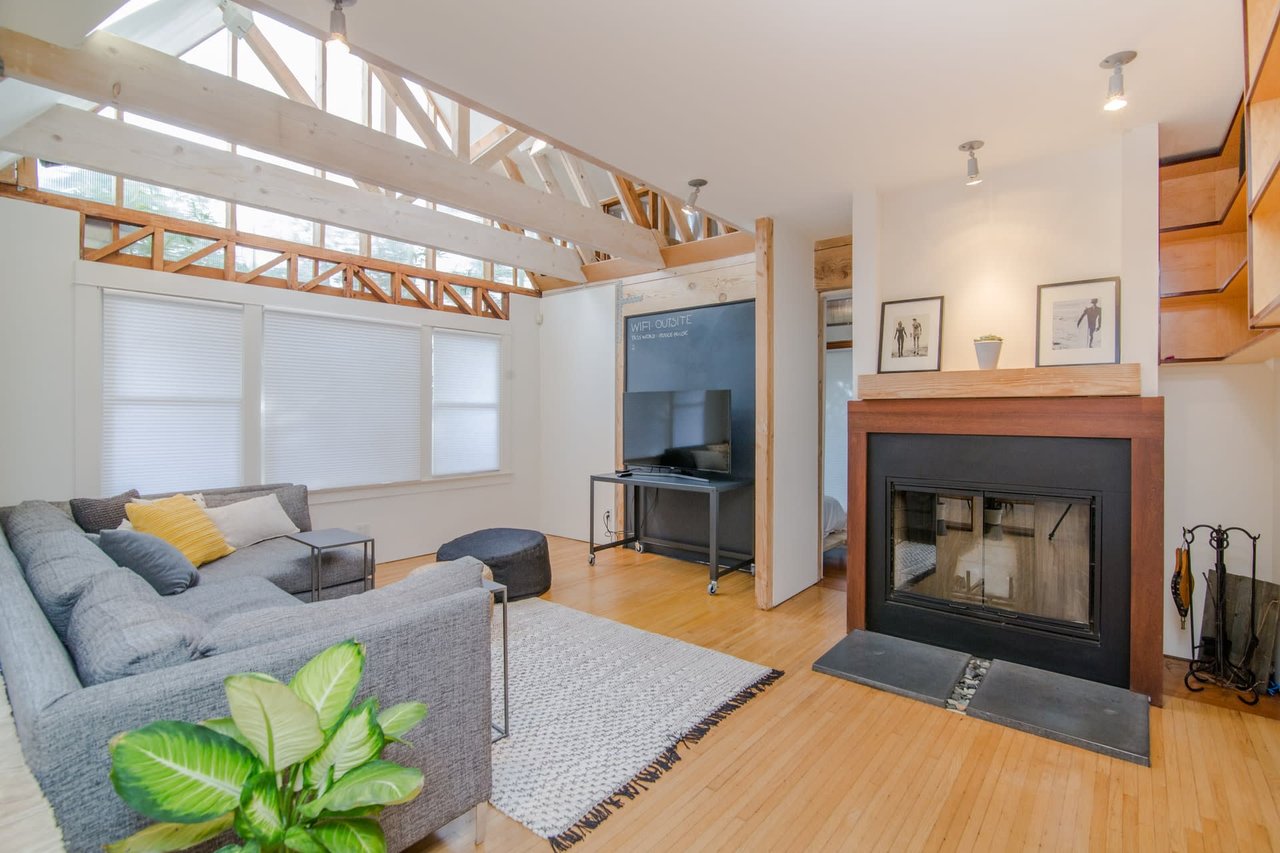
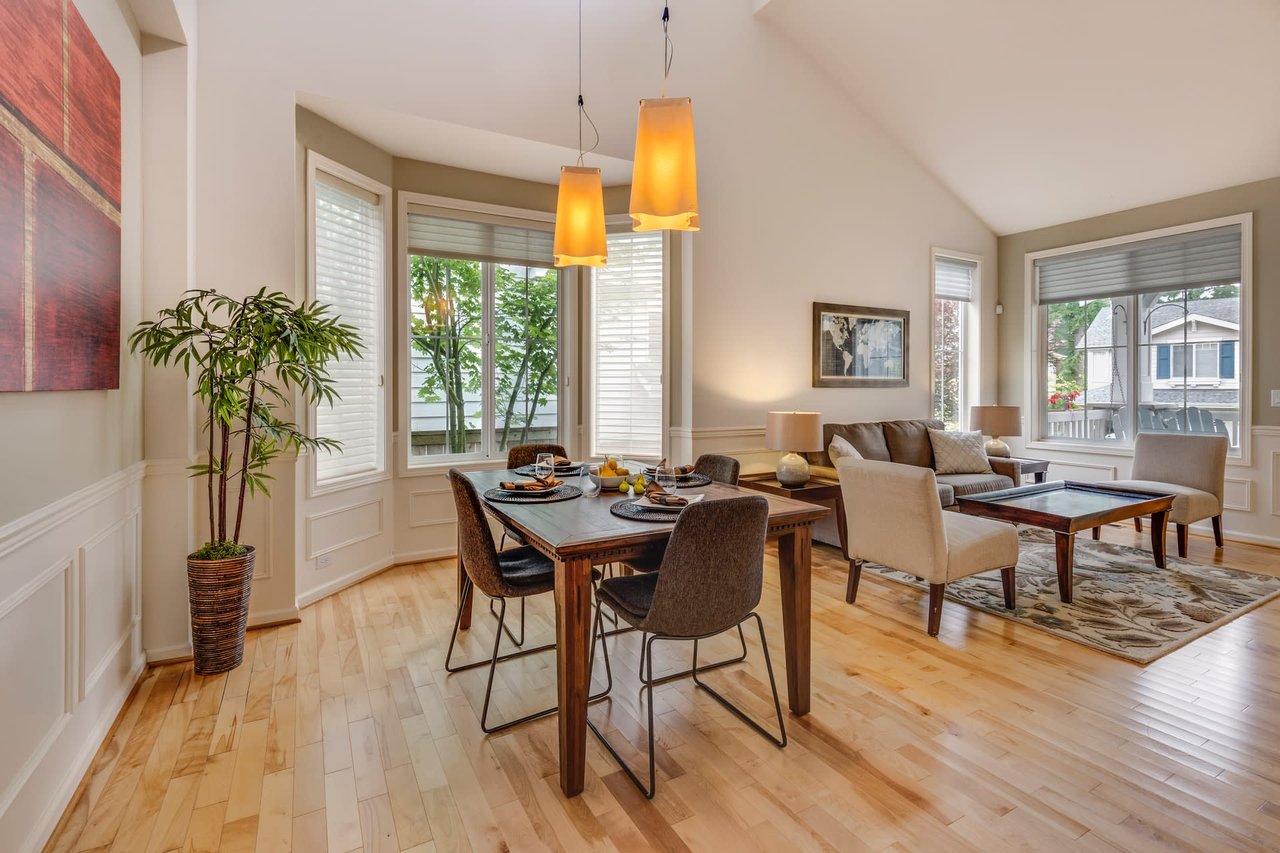
You will see a wide variety of housing, with a strong presence of multi-unit buildings. Pre-war walk-ups and mid-century apartments are common, and many have been converted to loft-style residences. Recent years brought mid-rise condo and mixed-use developments near key institutions and along Woodward, offering newer finishes and amenities. You can also find smaller pockets of historic single-family homes and townhouses near the district edges, often restored or renovated.
Ownership vs. rental
Midtown leans rental-heavy due to the student population and a workforce tied to hospitals, universities, and cultural institutions. The for-sale condo market is smaller but appealing to downsizers, professionals, and investors who want a walkable, amenity-rich address. Purpose-built student and workforce housing add even more options for those who prioritize proximity and convenience.
Price and value context
Prices and rents tend to sit above Detroit’s city median, thanks to demand and the amenity density that comes with living near museums and campus. At the same time, Midtown remains relatively affordable compared with arts districts in many larger U.S. cities. Reinvestment since the 2010s has pushed values upward, but inventory is diverse enough to create multiple entry points across building ages, finish levels, and floor plans.
Who it tends to fit
Midtown is a strong match if you want a culture-forward urban lifestyle and easy access to classes, lectures, galleries, and performances. Students and faculty, medical professionals, and creatives often choose the area for walkability and short commutes. Singles and couples who value dining, design, and neighborhood energy feel at home here. If you want large yards or a suburban school-and-yard setup, nearby neighborhoods or suburbs may be a better fit.
Practical considerations
Safety and awareness
Detroit’s citywide crime rates are higher than national averages, and conditions can vary by block and time of day. Midtown benefits from active sidewalks, institutional presence, and private security programs, and many blocks are well lit near venues and campus. For the most current information, review city materials like the Detroit Police Department dashboards and visit at different times to understand the rhythm of specific blocks. Campus safety resources and neighborhood programs coordinated by Midtown Detroit, Inc. add another layer of visibility.
Schools and lifelong learning
Midtown is served by Detroit Public Schools Community District, along with charter and private options across the metro. School quality varies, so families usually research attendance zones and specific programs using DPSCD resources. For continuing education and public lectures, adjacent institutions such as Wayne State University provide frequent events and adult learning opportunities.
Commute planning
Many residents study or work within Midtown or downtown, which keeps daily commutes short. For longer trips, the QLINE, DDOT buses, and regional highways make it easy to move between Detroit neighborhoods and suburbs. If you rely on transit, consider proximity to Woodward and key bus routes when choosing a building.
Pets, parks, and outdoors
Expect smaller parks, campus greens, and pocket plazas that host public programs. Dog owners often build a routine around quick loops and neighborhood greens, with urban leash rules in effect. Larger recreational spaces and the Detroit Riverwalk are a short drive or transit ride away when you want more room to roam.
Buyer and renter tips for 48201
- Clarify lifestyle priorities. Rank what matters most, whether that is a short walk to a museum, a newer amenity package, or quick access to the QLINE.
- Tour at different times. Visit during weekdays and after evening events to understand street activity, lighting, and noise levels near your building.
- Set a realistic budget. Expect prices and rents above Detroit’s city median; ask your agent for current building-level comps and inventory.
- Check parking and transit. Confirm on-site parking availability, guest parking policies, and your distance to transit stops.
- Review building services. Compare HOA dues, pet policies, lease rules, and amenities across condo and apartment options.
- Understand seasonality. Academic calendars and medical hiring cycles can affect unit turnover and competition.
- Plan for guests. If you host often, look for buildings near garages or transit to make visits easy on show nights.
Is Midtown’s Cultural Center right for you?
If you want a home that puts you close to art, ideas, and performance, Midtown’s Cultural Center delivers a rare blend of access and ease. You can stroll to lectures and galleries, meet friends for coffee without getting in the car, and still reach the region quickly by rail or highway. The housing mix is varied, with choices for renters, buyers, and investors who want an urban address with an authentic Detroit feel.
Ready to explore condos, lofts, and curated listings in 48201? Connect with Maxbroock Detroit for neighborhood-savvy guidance, polished presentation, and full-service support through mortgage, title, and relocation partners.
FAQs
Is Midtown Detroit walkable for daily errands?
- Yes. Many essentials are within a short walk, and tools like Walk Score offer helpful context for block-by-block walkability.
How does transit work in Midtown’s Cultural Center?
- The QLINE runs along Woodward and connects Midtown to downtown and New Center, with service details available at M-1 Rail; DDOT bus routes also serve the area.
What housing types are common in 48201?
- You will see pre-war walk-ups, mid-century apartment buildings, loft conversions, mid-rise condos, and smaller pockets of townhouses and historic single-family homes near the district edges.
Is it safe to walk at night in Midtown?
- Conditions vary by block and time; many areas near venues and campus are active and well lit, and you should consult the Detroit Police Department dashboards and visit at different times to assess comfort.
Will I need a car if I live in Midtown?
- Not for most neighborhood errands if you live near the cultural corridor; a car helps for regional trips, family logistics, or commutes outside the city.
Are there schools near Midtown’s Cultural Center?
- Midtown is served by Detroit Public Schools Community District, and families typically research specific options using DPSCD resources; higher-education events and programs add lifelong learning opportunities.