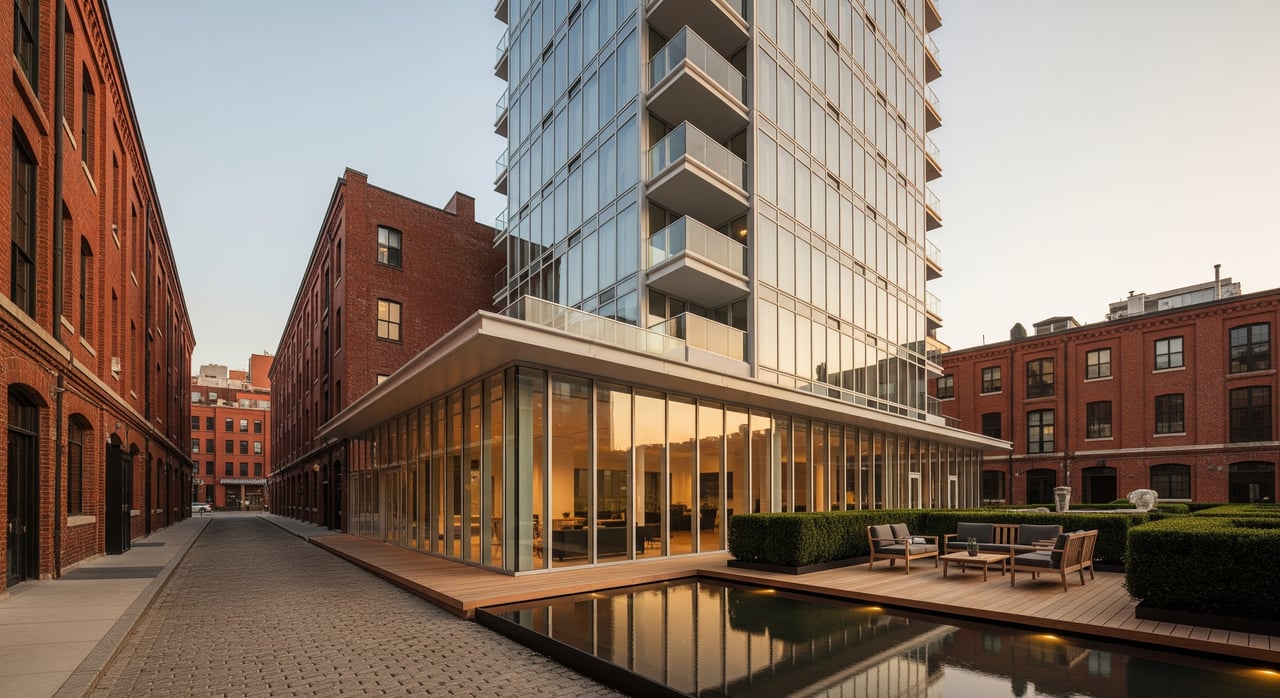
Do clean lines, floor-to-ceiling glass, and park-like calm speak to you? If you’re drawn to architecture with pedigree and want city living that still feels grounded in green space, Lafayette Park on Detroit’s Lower Eastside deserves a close look. In this guide, you’ll learn what defines the Mies district, how towers compare with townhouses, and what day-to-day life is like near the river and Eastern Market. You’ll also get a practical checklist to shop with confidence. Let’s dive in.
Lafayette Park at a glance
Lafayette Park is one of the country’s most intact mid-century residential districts shaped by modernist planning and design. Many core buildings were designed by Ludwig Mies van der Rohe and collaborators, creating a rare, cohesive architectural ensemble in an urban setting. Preservation and architectural organizations recognize the district for its historic and design significance. That recognition helps sustain quality and consistency across the neighborhood over time.
The neighborhood sits on Detroit’s Lower Eastside with close reach to downtown, the riverfront, and major cultural spots. You get a quieter residential setting paired with easy access to city energy when you want it. For design-focused buyers, the draw is equal parts architecture, landscape, and lifestyle.
Mies modernism, made livable
Mies’s approach centers on clarity and simplicity. You see structural lines expressed on the façade, modular grids, and a purposeful lack of ornament. Large expanses of glass bring in daylight and open views to lawns and tree canopies.
Inside, plans favor flexible, open spaces rather than heavy partitions. That makes rooms feel larger and adapts well to different furniture layouts. Outside, buildings are carefully placed to shape lawns, walking paths, and long sightlines, so the experience flows from interior to landscape.
Towers vs townhouses: choosing your fit
Both building types share the modernist DNA but deliver different daily rhythms. Use these contrasts to focus your search.
Towers: views and convenience
High-rise and mid-rise towers provide panoramic views and generous natural light from broad window walls. Elevators, shared corridors, and common amenities are typical, along with structured building services. Expect condominium or cooperative governance and monthly fees that cover shared systems and operations.
In a tower, you benefit from scale. Professional management, consistent maintenance, and secure entries are common. The tradeoff is less direct access to the ground and rules set by an association that guide renovations and use.
Townhouses: ground-level connection
Low-rise rows and garden homes emphasize horizontality, private entries, and small yard or terrace spaces. You step directly into the landscape and feel a stronger connection to the lawns and paths. Ownership models vary by association, so confirm whether a unit is fee simple or part of a condominium structure.
Townhouses often allow more individual control over finishes and everyday use. You may also manage some responsibilities that a tower would centralize. Review association documents to understand what the HOA covers and what falls to you.
The site plan and green space edge
One of Lafayette Park’s defining qualities is its landscape strategy. Broad lawns, tree plantings, and setbacks create a sense of openness that is rare so close to downtown. Buildings are arranged to preserve view corridors and light, which amplifies the calm, park-like feel.
Pedestrian routes weave through the district and often separate from car flows. That planning makes short walks between homes, paths, and shared greens feel natural. The result is a quiet residential texture with room to breathe.
Near the Riverwalk and Eastern Market
Location is a daily advantage here. The district offers relatively direct access to the Detroit River and the Riverwalk. Depending on your building, you can be on waterside trails and parkland after a short walk or bike ride.
Eastern Market sits within easy walking or cycling distance as well. The market’s food halls, specialty shops, and weekend energy enrich routines, from grocery runs to coffee meetups. Downtown, Midtown, and nearby cultural venues round out the mix of calm residential life with periodic city buzz.
Ownership and governance basics
You’ll find a range of ownership models: condominiums, co-ops, rentals, and townhouses with varying association structures. Each building sets its own bylaws, boards, and fees. Before you write an offer, request the governing documents and financials.
Strong associations publish clear rules, maintain reserves, and plan for capital improvements. Read meeting minutes to understand owner priorities, project timelines, and any pending assessments. Clarity on governance helps you avoid surprises after closing.
Renovation, maintenance, and preservation
Many buildings in Lafayette Park hold historic significance. Exterior changes to façades or common elements may require review by preservation authorities or a local historic district commission. That review guides materials and scope, which can add time to renovation schedules.
Mid-century buildings can also need targeted system upgrades. Ask about past and planned work related to windows, roofs, elevators, HVAC, and plumbing. Energy performance varies by building, especially where original glazing remains, so confirm any improvements and average utility patterns.
Parking, transportation, and commute
On-site parking is typical, but details vary by property. Confirm whether parking is deeded or assigned, how many spaces you have, guest policies, and any added fees. If you plan to charge an EV, verify rules and infrastructure in advance.
Driving access to downtown is straightforward from the Lower Eastside. Transit and bike routes connect the district to the broader city. Check current schedules and paths to map your commute.
Privacy, light, and everyday comfort
Generous windows and open plans are hallmarks of the district. Higher floors in towers yield broad views and abundant light. Townhouses offer light balanced with ground-level connection and private entries.
If you prioritize privacy, study sightlines from neighboring buildings and paths. Simple interior strategies, like layered window treatments and adaptable furniture, can fine-tune comfort without compromising the design’s openness.
Buyer due diligence checklist
Use this concise list to focus your conversations and document requests.
- HOA or condo bylaws, rules, and regulations
- Financial statements, reserve studies, and current budgets
- Recent capital improvements and schedules for planned work
- Historic district review requirements and timelines for alterations
- Window, roof, façade, elevator, and mechanical system status
- Parking assignment, guest parking, and any additional fees
- Utility metering details and typical usage patterns
- Pet policies, leasing rules, and short-term rental restrictions
Who thrives in the Mies district
If you value architecture with provenance, daylight, and green space close to the urban core, Lafayette Park aligns with those priorities. The district offers a mix of calm residential rhythm and access to cultural activity. Whether you prefer the ease of a tower or the ground-level feel of a townhouse, you can choose the lifestyle that fits you best.
Your next step in Lafayette Park
Buying into a historically significant, design-forward neighborhood is both exciting and nuanced. The right partner helps you navigate association documents, evaluate building systems, and match your lifestyle to the right property type. Our team pairs neighborhood expertise with polished presentation and integrated services for a smooth process from search to close.
Ready to explore current opportunities and gather the right documents for a confident decision? Connect with Maxbroock Detroit for guided tours, listing intel, and coordinated mortgage, title, and relocation support.
FAQs
What defines Detroit’s Mies district in Lafayette Park?
- A cohesive set of mid-century residential buildings shaped by modernist planning, with Mies van der Rohe’s design language of structural clarity, large glass areas, and integration with landscape.
How close is Lafayette Park to the Riverwalk and riverfront?
- The district has relatively direct access to the Detroit River and Riverwalk, with trails and parkland reachable by a short walk or bike ride depending on your building location.
How do towers and townhouses differ for daily living?
- Towers offer views, elevators, and centralized services under condo or co-op governance, while townhouses provide private entries, small outdoor spaces, and more direct landscape access with varied ownership models.
Are renovations limited because of historic status?
- Exterior changes to façades or shared elements may trigger review by preservation authorities or a local commission, which can affect allowed materials and timelines.
What should I review in HOA or condo documents?
- Bylaws, rules, financials, reserve studies, and meeting minutes, plus details on assessments, parking, pet policies, leasing rules, and capital improvement plans.
What building systems deserve extra attention in mid-century structures?
- Window assemblies, roofing, HVAC, plumbing, and elevators, along with any energy performance upgrades or planned replacements.
Is Lafayette Park walkable to Eastern Market?
- Yes, Eastern Market is within easy walking or bicycling distance, adding convenient access to food shops, markets, and weekend activities.