If you are looking at Detroit for your next investment move, Greater Corktown and nearby Southwest corridors deserve a closer look. This pocket of the city offers a rare mix of historic housing, vacant-land infill potential, and major public-private investment, but it also asks you to underwrite more carefully than you might in a simpler market. In this guide, you will get a practical look at Corktown, North Corktown, Hubbard Farms, and Springwells so you can spot where the opportunity may be strongest and where due diligence matters most. Let’s dive in.
Why investors are watching this area
The investment story here is bigger than any one block. The City of Detroit’s Greater Corktown planning framework covers Historic Corktown, North Corktown, and parts of nearby districts, with a focus on preserving affordability, redeveloping vacant land, and improving connections between neighborhoods.
That planning work is happening alongside major catalysts. Michigan Central Station reopened in June 2024 as part of a 30-acre technology and cultural hub, and the surrounding Transportation Innovation Zone reaches into Corktown, North Corktown, and Hubbard Richard. For investors, that kind of sustained public and private attention can support long-term demand, especially near strong mobility and employment anchors.
Another factor is connectivity. The Joe Louis Greenway is a 30-mile regional greenway, and the city announced new federal support in 2025 tied to construction and planning along the corridor. The same broader area is also tied to the proposed Detroit City FC stadium district, a project with a planned 2027 opening, affordable housing, and commercial space.
Corktown: historic housing and selective infill
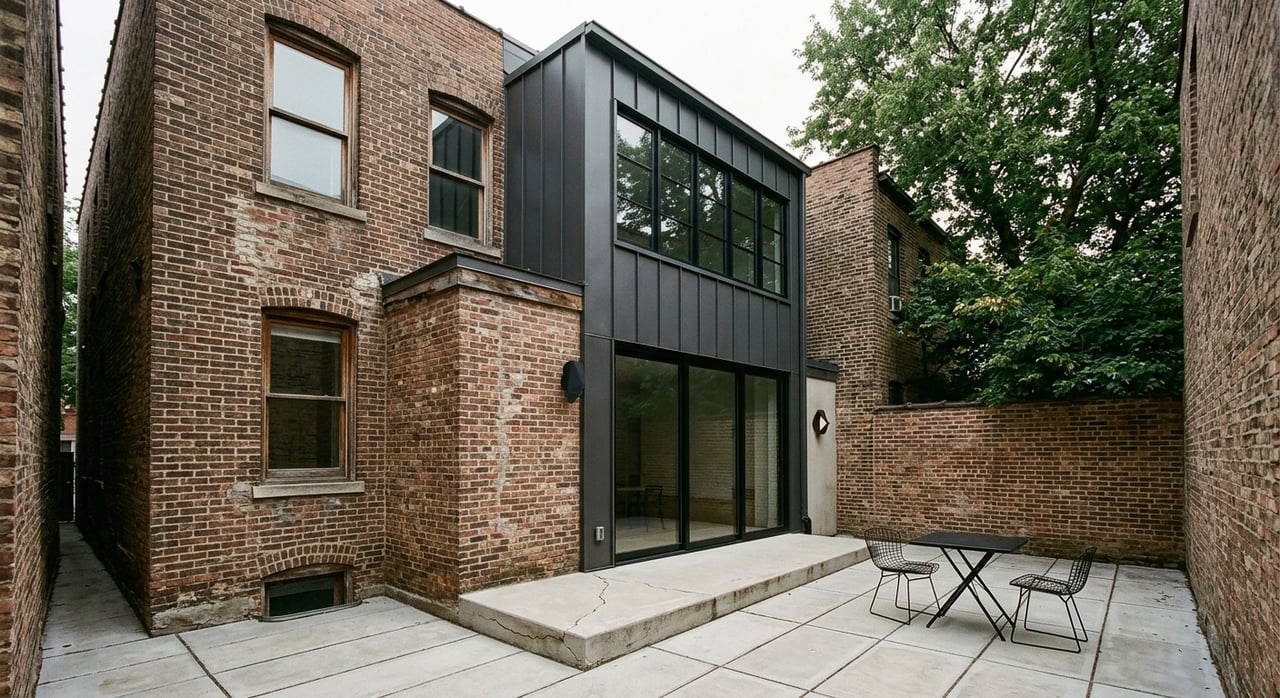
Corktown is Detroit’s oldest neighborhood, and that identity shapes the type of investment opportunities you will find. According to the city’s planning materials, the housing mix includes historic single-family homes, apartments, and condominiums, which generally supports historic rehab, boutique multifamily, and carefully selected infill rather than large-format development.
For you as an investor, that means product fit matters. A well-located historic property may offer strong appeal if your strategy matches the neighborhood’s character and regulatory environment. At the same time, older housing stock can bring more renovation complexity, so your budget should reflect realistic costs for compliance, systems, and timelines.
Corktown also sits close to some of the area’s strongest catalysts. That can help support tenant and buyer interest, but it can also raise the bar for acquisition discipline. In a neighborhood with rising attention and limited supply, the best deals often come from understanding the block, not just the ZIP code.
North Corktown: where infill stands out
North Corktown is often the most obvious fit for investors looking at new construction or small-scale infill. The city’s 2021 Choice Neighborhoods plan identified 143 vacant lots across 14.6 acres controlled by the city, and the current housing strategy includes Preserve on Ash, Preserve Estates, the Owen School site, and later single-family and townhome phases.
That pipeline matters because it helps signal where future residential momentum may build. It also suggests that North Corktown can be a better fit for investors interested in smaller rental projects, for-sale infill homes, or patient land-positioning strategies tied to neighborhood change.
Still, this is not a plug-and-play submarket. Block-by-block variation can be meaningful, especially where existing homes, vacant parcels, and new development phases meet. If you are comparing sites, pay attention to current surroundings, nearby public investment, and how the housing pipeline may shape future street character.
Hubbard Farms: rehab and corridor opportunity
Hubbard Farms offers a different investment profile. It is a historic district, enacted in 1993, which means older housing stock and preservation rules are part of the equation from day one.
That said, redevelopment activity is creating useful signals. La Joya Gardens at West Vernor and Hubbard is planned to add apartments, affordable units, and ground-floor retail and community space. For investors, that points to potential in older residential rehabs and corridor-adjacent mixed-use opportunities rather than large-scale greenfield projects.
If your strategy favors historic homes with architectural character, Hubbard Farms may deserve a close look. Just remember that returns here often depend on careful execution. Exterior changes may require additional review, and the most attractive opportunities may be those where location, condition, and historic constraints are aligned from the start.
Springwells: a corridor-based play
Springwells tends to be more corridor-oriented than the core residential blocks of Corktown. The city and the Southwest Detroit Business Association have promoted second-floor residential conversions above commercial space on West Vernor and Springwells, and planning around the greenway has specifically addressed the Springwells community.
In practical terms, that can make Springwells attractive if you like value-add mixed-use or upper-floor apartment projects. The opportunity here is often tied to active retail corridors and the potential to reposition underused space above storefronts.
This can be a compelling strategy, but it comes with a different underwriting mindset. You are not just evaluating a building. You are also evaluating corridor traffic, commercial viability, building systems, and how well a residential component fits above or near active street-level uses.
What is driving rental demand
Rental demand in these neighborhoods is being shaped by several overlapping factors. Michigan Central’s mobility district, the affordable housing pipeline in Greater Corktown, greenway construction, and visible destination projects all support the case for long-term neighborhood relevance.
The city has also described Corktown as a fast-growing area with escalating rents, which is one reason affordability and replacement housing are central to planning efforts. Current projects such as Preserve on Ash I, later North Corktown phases, and the rebuilt Clement Kern Gardens community add both housing units and public-facing amenities, which can help stabilize and strengthen the wider market over time.
In Hubbard Farms and the broader Southwest corridor, mixed-use reinvestment also matters. New housing over retail and reinvestment along commercial streets can support demand from residents who want access to established business corridors and improving public infrastructure.
Risks that can change your numbers
This part of Detroit can reward strong local knowledge, but it is not a low-complexity market. The same factors that make these neighborhoods attractive can also create friction in your deal.
One key issue is traffic exposure. The city’s 2025 Southwest truck study led to new truck traffic restrictions, but limited delivery access remains on corridors such as West Vernor and Springwells. A property on a commercial artery may underwrite very differently from one just off that corridor because of noise, parking pressure, and wear.
Another issue is age and infrastructure. In older Southwest Detroit housing stock, lead-related work and utility replacement can be material budget items. The city notes that lead service lines are most likely in single-family homes built before 1945, so water-service conditions should be treated as part of core due diligence, not a last-minute inspection item.
Your due diligence checklist
Before you make an offer, it helps to run through a simple but disciplined checklist.
Check historic district status
If you are planning exterior work, confirm whether the property falls within a local historic district. The city maintains a Local Historic District Map that you can search by address, and that step can save you time, money, and design revisions.
Verify rental compliance early
Detroit updated its rental inspection and compliance process in October 2024. If your plan involves renting the property, you will need to register it, pass inspection, and obtain a Lead Clearance Report to receive a Certificate of Compliance.
Budget for lead-related work
If the home was built before 1978, lead compliance is part of the process. In older housing stock, that can affect renovation scope, timeline, and total capital needs.
Underwrite by street
Do not rely on the neighborhood name alone. In these districts, one or two blocks can change the tenant experience and operating profile in a meaningful way.
Build in extra contingency
For rehab or assembly deals, your timeline should leave room for historic review, utility work, lead mitigation, and slower permit timing. In a neighborhood with older structures and active redevelopment, conservative assumptions are often the smartest ones.
How to match strategy to submarket
If you prefer historic residential rehab, Corktown and Hubbard Farms may offer the best fit. If you are looking for infill or small-scale new construction, North Corktown may deserve the most attention. If you like mixed-use repositioning on active commercial streets, Springwells can offer a more corridor-driven opportunity set.
That does not mean one area is better than another. It means your edge comes from matching the right deal type to the right submarket. In this part of Detroit, strategy fit is often just as important as purchase price.
The bottom line for investors
The strongest investor case across Corktown, North Corktown, Hubbard Farms, and Springwells is not just appreciation. It is the combination of historic housing stock, visible redevelopment, infill potential, and multiple public-private catalysts that can support long-term demand.
The tradeoff is complexity. Historic review, rental compliance, lead mitigation, and traffic exposure all deserve closer attention here than they might in other submarkets. If you want to evaluate opportunities with a sharper local lens, connect with Maxbroock Detroit for informed guidance on Detroit investment property, redevelopment potential, and neighborhood-by-neighborhood strategy.
FAQs
What makes Corktown appealing for real estate investors?
- Corktown combines historic housing, proximity to Michigan Central, and limited infill opportunities, which can make it attractive for rehab-focused and boutique residential investment strategies.
What type of investment is most common in North Corktown?
- North Corktown is often better suited to infill development, smaller new-construction projects, and land-positioning strategies because of its vacant-lot inventory and active housing pipeline.
What should investors know about Hubbard Farms before renovating?
- Hubbard Farms is a local historic district, so exterior changes may require additional review, making it important to confirm historic status and approval needs early.
Why is Springwells different from Corktown for investors?
- Springwells is more corridor-oriented, which can make it a stronger fit for mixed-use rehab, second-floor residential conversions, and projects tied to active commercial streets.
What compliance steps matter for Detroit rental properties?
- Detroit rental properties generally need registration, inspection, a Lead Clearance Report, and a Certificate of Compliance before they can be legally rented.
How do truck routes affect investment decisions in Southwest Detroit?
- Truck traffic can affect noise, parking, and day-to-day livability, so investors should evaluate specific streets and corridor exposure instead of judging a property by neighborhood name alone.