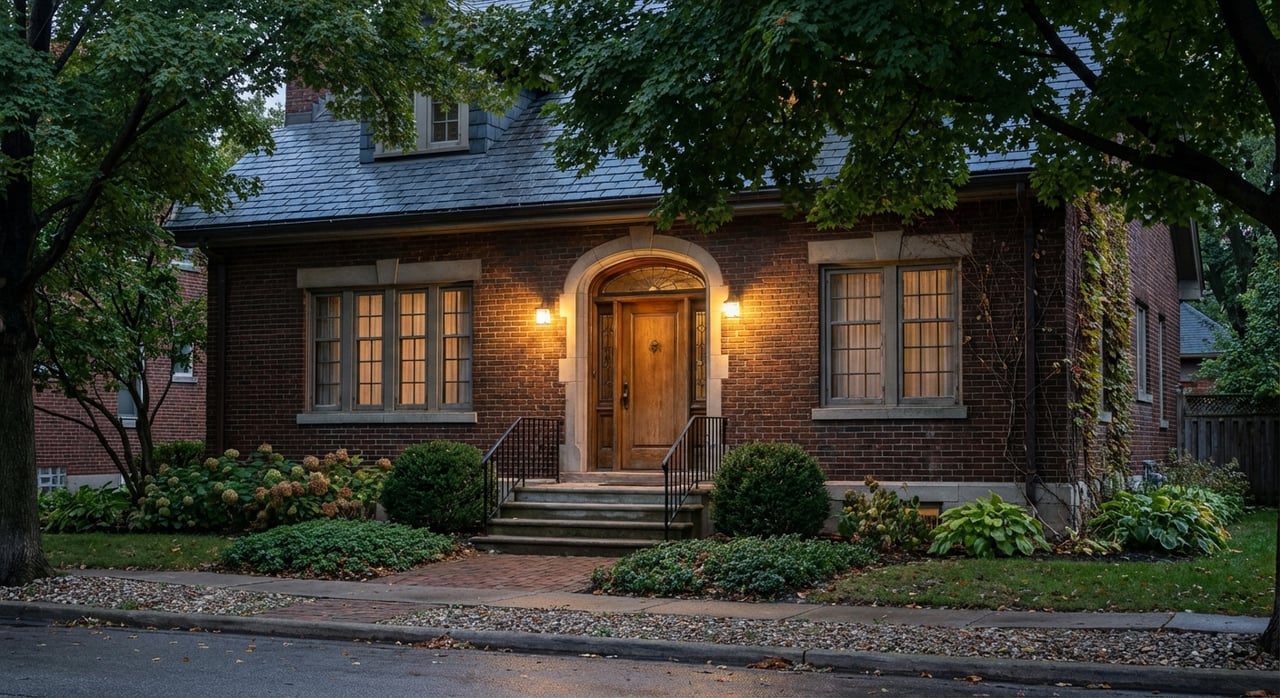
What if your next home welcomed you with carved woodwork, leaded glass, and a sunlit garden instead of a lobby and an elevator? If you are drawn to craftsmanship and a calm, tree-lined setting close to the river, West Village and Indian Village on Detroit’s Lower Eastside may be exactly what you are looking for. In this guide, you will learn how these historic neighborhoods were built, what their homes look and feel like inside, how they live today, and what to consider before you buy. Let’s dive in.
West Village vs. Indian Village
West Village and Indian Village sit side by side on Detroit’s east side, developed mainly between 1890 and 1920. Indian Village grew into a showcase of large, architect-designed residences on Burns, Iroquois, and Seminole. It was listed on the National Register of Historic Places in 1972. Many homes were created for prominent Detroiters and by noted architects. You can explore more district history through the Detroit Historical Society’s overview of Indian Village.
West Village, immediately to the west, offers a more compact and varied residential fabric. You will find single-family and two-family houses alongside small apartment buildings and a few corner commercial structures. The district earned National Register recognition in 1980 and remains beloved for its walkable scale and mix of housing types. For background, see the Society’s page on the West Village Historic District.
Streetscapes and exteriors
Both neighborhoods feature late 19th and early 20th century architecture. You will see Colonial Revival, Tudor Revival, Georgian and Federal Revival, Queen Anne, Arts and Crafts, and touches of Mediterranean or Renaissance Revival. In Indian Village, large lots with generous setbacks, mature trees, and period fences or stone walls create a stately feel. West Village streets are tighter and more varied, with a charming mix of homes and smaller apartment buildings.
Common details tell you what you are looking at fast:
- Tudor Revival: steep gables and half-timbering.
- Colonial Revival: symmetrical brick facades with columned porches.
- Mediterranean and Renaissance Revival: stucco, tile, and ornamental brick.
Signature designers to note
Indian Village drew leading architects of the era, including Albert Kahn, Louis Kamper, and William B. Stratton. Their work delivers a level of proportion, materials, and craftsmanship that design-minded buyers appreciate. Period-correct restorations and high-visibility show houses in the neighborhood have highlighted how well these grand homes adapt to modern life while honoring original character. For a concise overview of the styles and history, revisit the Society’s Indian Village entry.
Interiors you will love
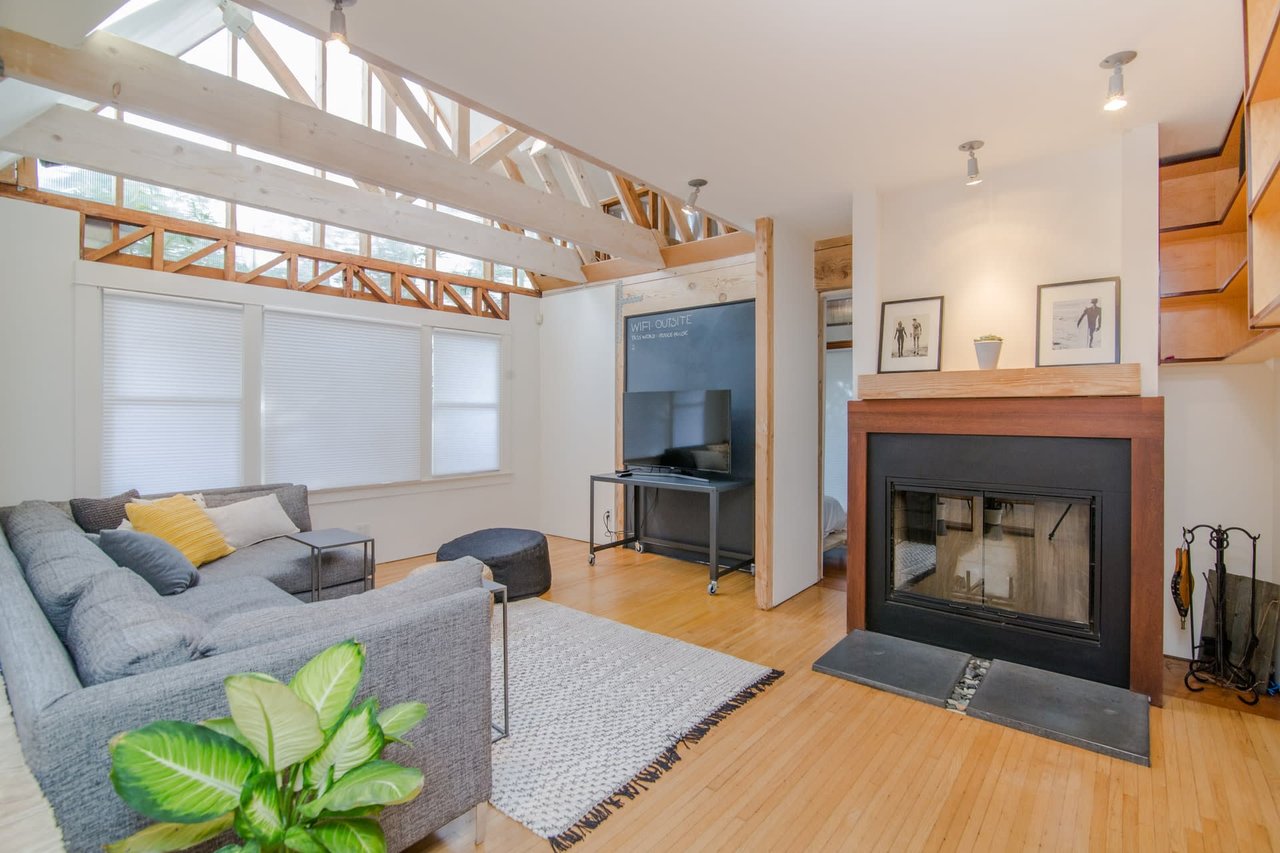
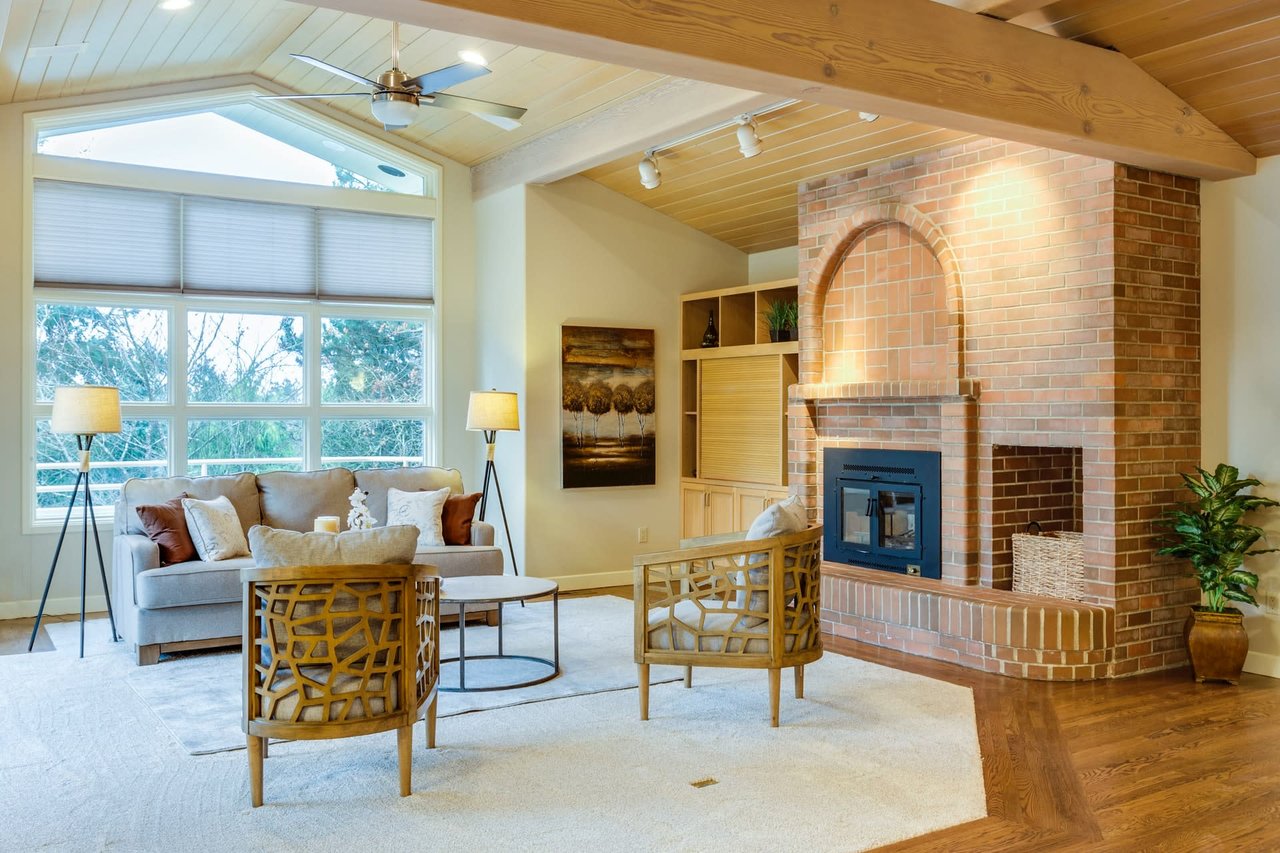
Step inside and a classic sequence unfolds: entry foyer to parlor or living room to formal dining room. Many homes retain original millwork, detailed plaster, built-ins, and multiple fireplaces. Look for leaded or stained-glass windows that filter daylight beautifully. In some higher-end houses you may spot Pewabic Pottery tile, a distinctive local art tile that elevates mantels, hearths, or baths.
Floor plans that flex today
Larger Colonial or Georgian homes often use a center-hall plan, which feels balanced and easy to furnish. Tudor and Arts and Crafts houses may be more asymmetrical, with expansive living rooms and adjacent sunrooms. Original layouts often include a butler’s pantry, a back service stair, and a third floor that once served as an attic ballroom or staff space. Today those areas flex for a home office, media lounge, gym, or guest suite.
Carriage houses and more
Many larger properties included carriage houses that now serve as garages, studios, guest apartments, or income units. Finished basements are sometimes set up for additional living space. If you are considering a rental or extended-stay setup, plan for a conversation with your insurer about coverage and check local rules before you commit.
Life near Belle Isle and the river
A major draw is proximity to Belle Isle, the 980 to 985-acre island park in the Detroit River with trails, a conservatory, and cultural spaces. The park is managed by the State and offers year-round recreation that adds real lifestyle value. Review the park’s features through the State’s page for Belle Isle Park.
House-scale charm vs. tower amenities
If you are weighing a historic home against a riverfront condo, think in terms of tradeoffs rather than right or wrong.
- Historic homes in West Village and Indian Village: private yards, original craftsmanship, generous rooms, and the rhythm of side streets and green setbacks.
- Riverfront and downtown towers: vertical living, on-site amenities like fitness centers and pools, controlled access, and skyline or river views with less private outdoor space.
Both options put you within easy reach of the Detroit Riverwalk and its parks and pathways. For context on what the riverfront offers, see the Detroit Riverfront Conservancy’s visitor FAQs.
What to know before you buy
Buying a historic home is rewarding when you understand the rules and plan your updates.
Historic district reviews
Indian Village and parts of West Village are within recognized historic districts. In Detroit’s local historic districts, the Historic District Commission reviews exterior changes. Before planning windows, masonry work, roofing, porches, or new fences, confirm whether a specific address is in a local district and review the City’s guidance on Historic District information.
Plan your rehab with incentives
If you are considering a certified rehabilitation, Michigan’s State Historic Tax Credit program offers a capped residential allocation. The program is administered by the State Historic Preservation Office through the MEDC and involves a multi-step application and certification process. Start early and review the basics of the Michigan State Historic Tax Credit program. Note that State credits are separate from Federal Historic Rehabilitation Tax Credits, which generally apply to income-producing properties.
Older-home systems and safety
Homes built before 1978 may contain lead-based paint. If you plan renovations that disturb painted surfaces, budget for professional testing and certified contractors who follow EPA Renovation, Repair and Painting (RRP) rules. Learn more through the EPA’s guidance on lead-safe work practices.
Electrical systems in pre-1940 homes may include knob-and-tube wiring or outdated fuse panels. Some insurers require inspection, certification, or replacement to write a standard homeowners policy. Plan for potential rewiring and service upgrades. For a consumer overview of how old wiring can affect coverage, see insurance guidance for older homes.
Given proximity to the river, flood risk can vary block by block. Always check the property’s exact location on FEMA’s Map Service Center and discuss coverage options with your insurer. Start with FEMA’s flood map search tool.
Quick buyer checklist
- Confirm if the property is in a local historic district and which exterior changes require review by the City’s Historic District Commission. Explore the City’s Historic District information.
- Schedule a full home inspection and add specialists for electrical, roofing, and environmental testing as needed. Review the EPA’s RRP lead guidance.
- If you plan a certified rehabilitation, consult the Michigan State Historic Tax Credit program early to understand timelines and requirements.
- Verify the address on FEMA’s flood map search and discuss homeowners and, if needed, flood coverage with your insurer.
- Reach out to neighborhood associations for tours, project highlights, and events that offer insight into the area’s history and stewardship. Start with the Historic Indian Village Association.
Finding your place on the Lower Eastside
If you want a home with presence and warmth, the Lower Eastside offers rare character close to the river and Belle Isle. West Village gives you a walkable mix of houses and small apartments with intimate streets. Indian Village offers grand lots, signature architecture, and a tradition of preservation. Either way, you get a lifestyle that balances historic charm with city access.
Ready to explore listings, compare neighborhoods, or map a plan for a historic renovation? Our team pairs heritage credibility with modern marketing and integrated services for mortgage, title, and relocation to make your move seamless. Connect with Maxbroock Detroit to start your search with a local specialist who understands the details that matter.
FAQs
What makes Indian Village homes unique in Detroit?
- Indian Village features large, architect-designed homes built mainly 1895 to 1920 with standout craftsmanship and was listed on the National Register in 1972, per the Detroit Historical Society’s district history.
How does West Village housing differ from Indian Village?
- West Village offers a denser, mixed-residential pattern with single- and two-family houses and small apartment buildings, recognized on the National Register in 1980.
Are there rules for exterior changes on historic homes in Detroit?
- Yes, properties in local historic districts require review for exterior changes by the City’s Historic District Commission; confirm status and guidelines through the City’s Historic District information.
Can I convert a carriage house to a rental unit?
- Many properties include carriage houses that owners use as garages, studios, guest spaces, or rentals, but you should confirm zoning, insurance, and any historic district requirements before proceeding.
How do these homes compare to riverfront condos?
- Historic homes offer private yards and original craftsmanship in a low-rise setting, while riverfront condos emphasize vertical living with amenities and views; your choice depends on space needs and lifestyle.
Does flood risk affect homes near the Detroit River?
- Risk varies by block; verify the exact address on FEMA’s Map Service Center and discuss coverage, mitigation, and lender requirements with your insurer.
Are there financial incentives to restore a historic home in Michigan?
- Michigan’s State Historic Tax Credit program offers a capped residential allocation for certified rehabilitations; review eligibility and timelines with the State Historic Preservation Office via MEDC resources.