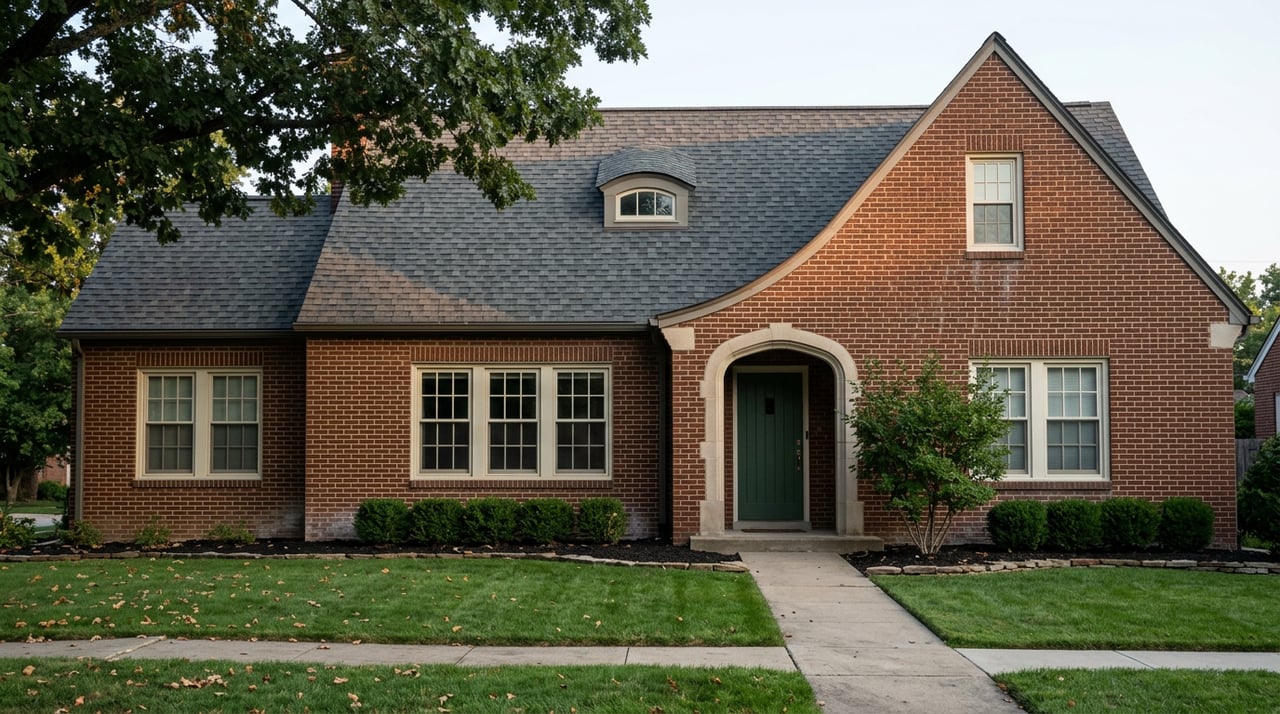
Bagley is a small neighborhood by Detroit standards, boxed in on all four sides: McNichols to the south, Wyoming Avenue to the west, Livernois to the east, West Outer Drive to the north. Most of the houses went up between 1930 and 1955, and the Bagley Community Council has been meeting about them since 1961. If you live inside that box, you've probably heard by now that a $4 billion philanthropic foundation is moving its headquarters to the campus next door. What you may not have heard is which piece of that deal actually touches your block, and when.
The headline number from last September was $180 million. The Kresge Foundation announced it alongside the news that it's relocating from Troy to the Marygrove Conservancy campus, which sits just across McNichols from Bagley's southern edge. Most of the coverage that followed focused on the building: 70,000 square feet, designed by Diller Scofidio + Renfro with Detroit-based Hannah-Neumann/Smith as architect of record, landscape work by Hood Design Studio, opening on the campus's northeast quadrant sometime in 2028. That's a real project, and it's years away. It is also the wrong clock to watch if you're trying to understand what changes near you first.
Two Pots of Money, Two Very Different Timelines
Of that $180 million, roughly $130 million is going into the headquarters building and campus upgrades, funded through a bond Kresge issued to cover construction. The remaining $50 million is a separate commitment, aimed directly at the four neighborhoods that ring the campus: Fitzgerald, Bagley, University District, and Martin Park. That money funds something called the Resident Investment and Opportunity Fund, built in partnership with the Live6 Alliance, and it covers home repair, homeownership support, rental assistance, and vacant land stewardship.
The distinction matters because the building and the fund don't move on the same schedule. The headquarters needs a construction partner, a finished design, and a groundbreaking that Kresge's own site says is targeted for sometime in 2026. The resident fund doesn't wait on any of that. According to Kresge's own FAQ page, the program was slated to launch in early 2026, with an initial focus on vacant lot beautification, side-lot activation, and home repair and accessibility grants for residents who already own their houses. That's not a distant capital project. That's a program that, as of this fall, should already be taking applications or close to it.
The Part Kresge Says Out Loud
Every large investment into a neighborhood carries a quiet risk that residents already know: money in raises property values, and rising property values eventually mean higher tax bills. Kresge didn't try to bury that concern. Reporting from BridgeDetroit noted the foundation's own acknowledgment that the investment could push property taxes up on surrounding homes, with the risk of pricing out the very residents it's meant to help. That's part of why the Resident Investment and Opportunity Fund specifically includes a property tax relief component, alongside the home repair money. Wendy Lewis Jackson, who manages Kresge's Detroit program, put the stakes plainly when the fund was announced: "promises for improved quality of life have been made time and time again, but too few have been kept."
That's not a line you'll find in a glossy press release photo caption. It's an admission that this neighborhood has heard big investment announcements before and has reason to wait for the follow-through.
What Happens at the Edges, Not Just the Campus
The plan also reaches into the corridors that frame Bagley. An extension of the Ella Fitzgerald Greenway is planned to run east toward Livernois, the street that forms Bagley's own eastern edge, alongside upgrades to Ella Fitzgerald Park itself. Near the intersection of McNichols and Wyoming, at Bagley's southwest corner, the fund includes small business support aimed at building out what Kresge is calling an arts and early education corridor, a different stretch of commercial frontage than the Avenue of Fashion shops further east on Livernois.
None of this is abstract "northwest Detroit" language. McNichols is Bagley's southern border. Wyoming is its western one. Livernois is its eastern edge. When Kresge's materials talk about corridor investment, they're describing the streets that define the neighborhood's actual shape, not a general zip code.
There's one more detail worth knowing if you're the kind of resident who shows up to community meetings: the building where Kresge and Live6 Alliance are running much of this engagement, Neighborhood HomeBase at 7426 West McNichols, is the same address where the Bagley Community Council holds its monthly general meetings. The council meets at 10 a.m. on the third Saturday of the month, March through December, and also supports Jazz on the Ave and the District 2 community meetings held in the area. The infrastructure for asking questions about this money isn't an outside consultant's office downtown. It's a room the neighborhood already uses.
What Life Looks Like While the Money Moves
None of this changes what a Tuesday night in Bagley looks like right now. Pequeño Cantina, the original taco and tequila bar on Livernois before it expanded to a second Broadway Street location downtown, still draws a neighborhood crowd for its Tuesday specials, and residents have noted the recently expanded lounge area. Good Times still books up for rooftop dinners even when the weather turns unpredictable. Lou's Deli has been slicing corned beef for Detroit customers for more than fifty years, and Detroit Pizza Bar keeps the square-pie tradition going a short walk from most Bagley front porches. That's the backdrop the investment money is landing against, not a blank slate waiting to be filled in.
The honest read on the Kresge announcement is that it splits into two stories that move at different speeds. The building is a 2028 story, with a groundbreaking this year and years of construction after that. The neighborhood-facing fund is a 2026 story, with home repair and vacant lot money that was designed to start reaching residents well before a single wall goes up on the Marygrove campus. If you're waiting to see change in Bagley, the building isn't the thing to watch. The fund is.
Whether any of this changes how a Bagley home shows or sells over the next few years is a separate question, one that depends on how the repair grants and corridor investment actually roll out on specific blocks. If you're weighing a move in or out of the neighborhood and want a read on what that could mean for your particular street, Real Estate One can walk through it with you. Connect with Detroit's luxury specialists for a grounded look at what's actually happening on the ground here, not just in the press release.
This article is general information, not legal, tax or financial advice. Consult a qualified professional about your situation.