If you are selling a downtown Detroit loft or condo, you are not just listing square footage. You are selling a specific building, a specific view, and a specific version of city living. That can create strong opportunity, but it also means buyers compare details closely. In this guide, you’ll learn how to price, present, and prepare your unit for a smoother sale in Downtown Detroit. Let’s dive in.
Treat Downtown Detroit Like a Micro-Market
Downtown Detroit is not one simple, uniform market. The Downtown Detroit Partnership describes it as a walkable urban core with 6,765 residents in downtown census tracts, 248 retail and restaurant spaces, and 30% population growth over the last decade. It also reports more than 1,200 events across 18 downtown parks and public spaces, which reinforces how lifestyle-driven this market can be.
That matters when you sell a loft or condo. Buyers are not only comparing your home to other units in 48201. They are comparing your building, your block, your amenities, your parking setup, and your access to downtown destinations.
A broader downtown demand picture also supports the idea that there is real buyer interest. A 2026 Downtown Detroit Partnership market potential study estimated average annual market potential of 17,055 households for greater downtown, including 802 households for Downtown Detroit multi-family for-sale units. At the same time, the City of Detroit said in a July 2025 housing presentation that the city needs 2,700 new units per year to keep up with growth, while about 1,600 are being created.
Price by Building, Not Just ZIP Code
One of the biggest mistakes a seller can make is relying too heavily on broad ZIP-code averages. Public price trackers for 48201 vary widely, which is a sign that averages alone do not tell the full story for downtown lofts and condos. In March 2026, Zillow reported an average 48201 home value of $416,967, Realtor.com showed a median listing price of $440,000, and Redfin reported a median sale price of $385,000.
That spread likely reflects different methods and data coverage. For you, the takeaway is simple: your asking price should be grounded in building-level comparable sales, not just a general 48201 number.
What buyers compare first
In a downtown condo or loft sale, buyers usually focus on a short list of value drivers:
- Building reputation and condition
- Floor level
- View corridor
- Outdoor space such as balconies or terraces
- Deeded parking or lack of parking
- Interior updates and design finish
- HOA dues and any known assessments
- Storage, layout, and natural light
A unit with a skyline view, private outdoor space, or deeded parking may compete in a very different lane than another unit in the same ZIP code. That is why precise pricing matters so much.
Timing Still Matters in the Condo Market
Even in a market with clear demand drivers, timing can affect momentum. Realcomp data showed condo inventory and days on market increased in February, May, and December of 2025. In May, condo days on market were up 41.4% year over year and inventory was up 26.1%.
Realcomp’s 2024 annual report also noted that peak showing activity occurred in May 2024. Across the City of Detroit, average days on market were 48 and sellers received 95.9% of list price on average. That does not mean every downtown condo should launch in spring, but it does show that seasonality and local inventory levels can influence strategy.
How to use timing to your advantage
If more inventory is coming on, your listing needs to look sharper from day one. Early interest matters because views, saves, and shares in the first few days can affect whether a listing gains traction. A polished launch can help you stand out before buyers start comparing a growing set of options.
Present the Unit Like a Lifestyle Product
Downtown loft and condo buyers are often drawn to design, convenience, and the feel of the space. Presentation has a direct impact on how they respond. The National Association of Realtors reported in its 2025 staging survey that 83% of buyers’ agents said staging made it easier for a buyer to visualize a home.
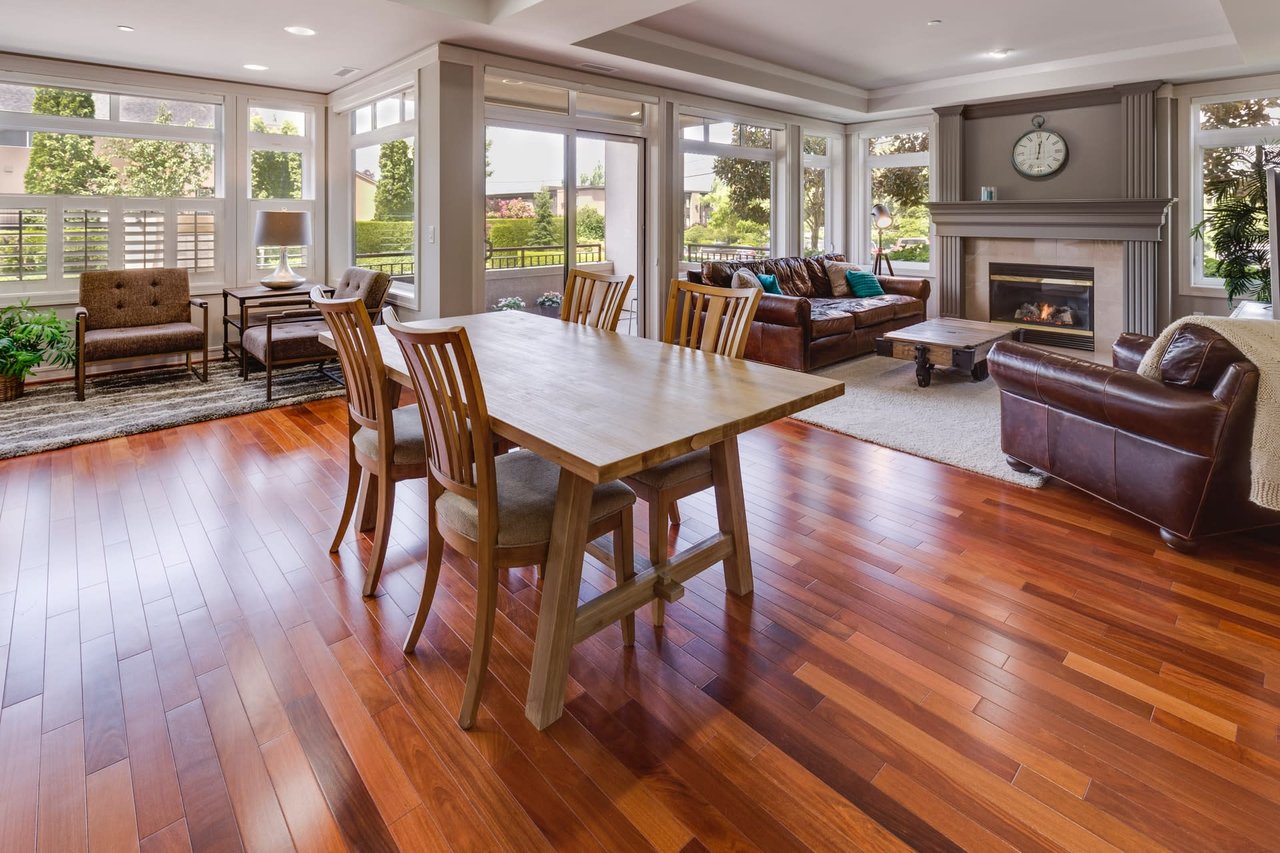
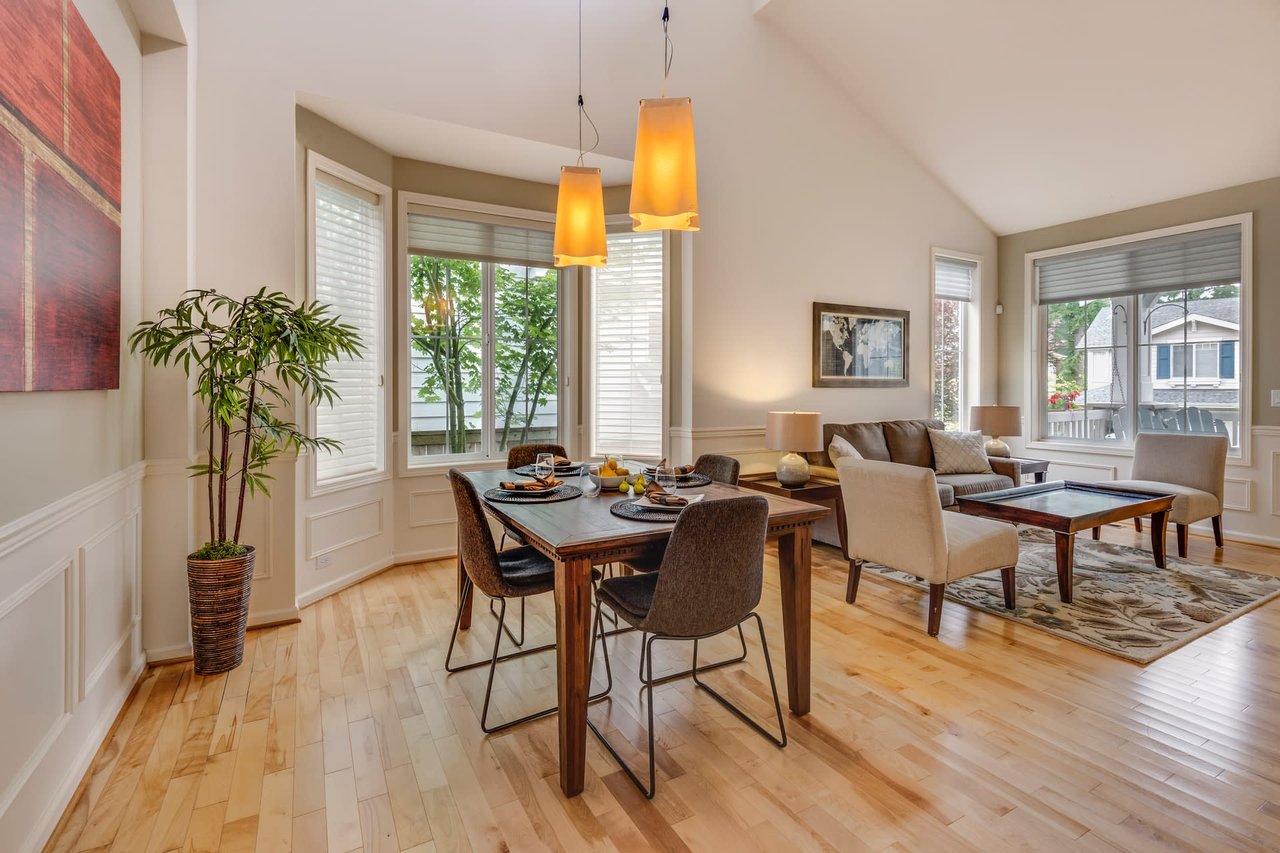
That is especially important in lofts and condos, where open layouts can feel either airy or undefined depending on how the home is set up. Strategic staging helps buyers understand scale, function, and flow.
Where staging matters most
The same NAR survey found the most commonly staged rooms were the living room, primary bedroom, and dining room. In a downtown unit, those are often the exact spaces that shape the buyer’s first impression.
Focus on these priorities:
- Define open-concept living areas clearly
- Keep furnishings proportional to the room size
- Highlight windows, views, and natural light
- Minimize visual clutter
- Use clean, neutral styling to let architecture stand out
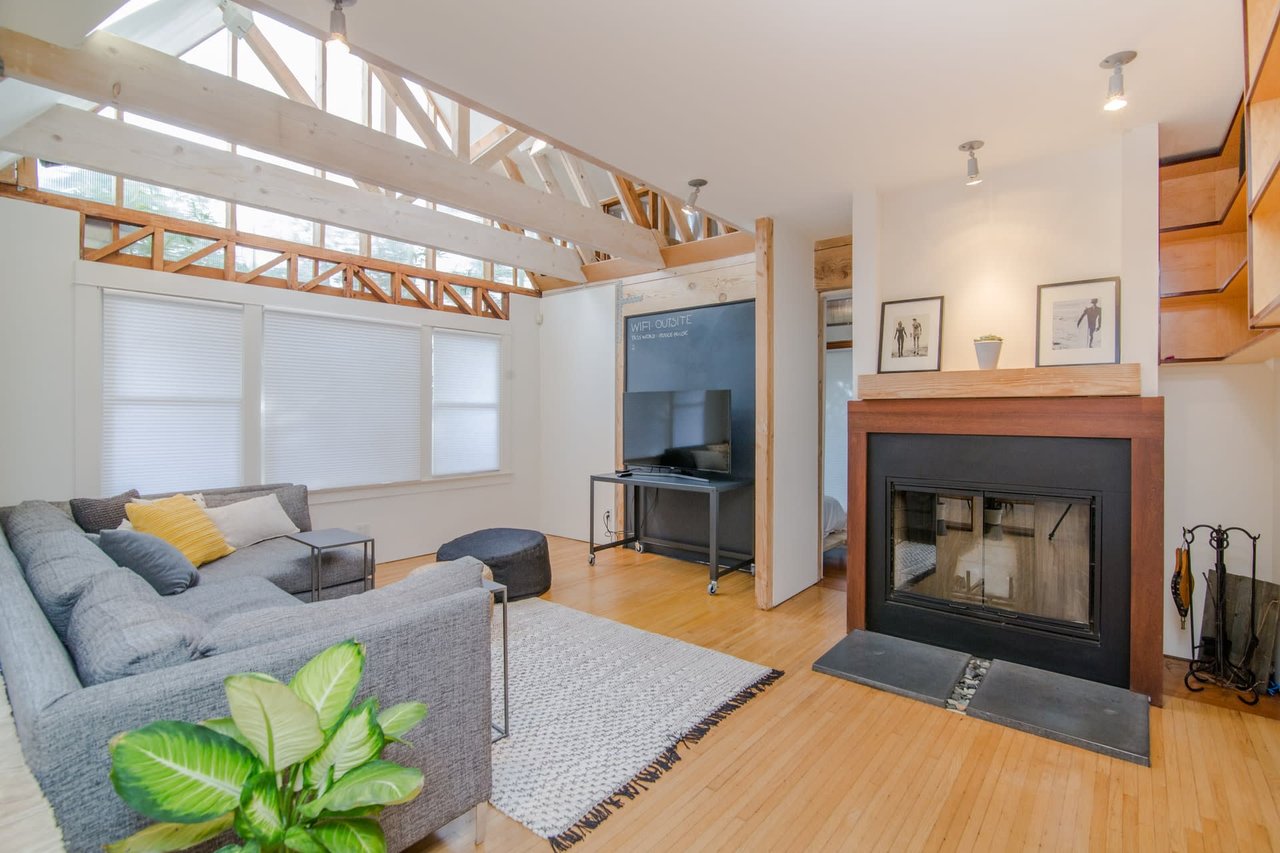
For a loft, that might mean emphasizing ceiling height, exposed materials, or oversized windows. For a condo, it may mean showcasing efficient layout, clean finishes, and how the unit lives day to day.
Lead With Strong Visuals Online
Most buyers start online, and downtown properties often win or lose attention in the first few seconds. Zillow found that floor plans were the top listing feature for prospective buyers in 2025 at 33%, followed by high-resolution photos at 26% and 3D or virtual tours at 20%. NAR also noted that 52% of buyers found the home they purchased online, and 81% rated listing photos as the most useful online feature.
That means your digital presentation should do more than look nice. It should answer the buyer’s practical questions quickly and make the home easy to understand.
What your listing package should include
For a downtown Detroit loft or condo, the strongest launch usually includes:
- High-resolution photography
- A floor plan
- 3D or virtual tour assets when appropriate
- Clear room-to-room flow in the photo order
- Strong lead image selection
The first image matters most. In this market, that is often a sunlit great room, dramatic window wall, balcony shot, skyline angle, or river-facing view. Downtown living is visual and experience-driven, so your listing should reflect that from the first click.
Market the Downtown Detroit Lifestyle
A downtown condo sale is rarely just about the unit. It is also about the setting around it. Downtown Detroit Partnership says the downtown parks system offers free public programming, free Wi-Fi, ADA accessibility, and parking and transit access. It identifies Campus Martius as the downtown gathering place, Grand Circus Park as an anchor of the entertainment district, and Beacon Park as another active public-space destination.
Visit Detroit also describes the Detroit Riverwalk as a 5.5-mile pedestrian and biking path connecting Rivertown, Gold Coast, and downtown. It notes connections to Belle Isle and Eastern Market through the Dequindre Cut Greenway. These details help frame the convenience and connectivity that many downtown buyers value.
Lifestyle features to highlight in your sale
When your unit fits the story, emphasize facts such as:
- Walkable access to downtown amenities
- Proximity to parks and public spaces
- Riverwalk access where relevant
- Balcony or view orientation
- Building amenities
- Parking convenience if deeded parking is included
The City of Detroit’s housing presentation also said zero parking is required in Downtown, Eastern Market, and New Center, and that one in three families does not have a car. For sellers, that creates two different marketing paths. If your unit includes deeded parking, present it as a premium convenience. If it does not, focus on walkability, transit access, and nearby parking options.
Prepare Condo Documents Before You List
A beautiful listing can still run into delays if the paperwork is not ready. In Michigan, condo sales are document-heavy, and early prep can reduce friction during buyer due diligence.
Michigan’s Seller Disclosure Act requires a written seller’s disclosure statement for covered residential transfers. The law also states that failing to provide the signed disclosure can allow a buyer to terminate an otherwise binding purchase agreement. The disclosure form further warns that real property tax obligations can change significantly after transfer.
Michigan’s Condominium Act adds another layer. It states that unpaid assessments, late charges, attorney fees, and related amounts can become a lien on the unit. It also entitles a purchaser to a written statement of unpaid assessments.
What to organize before launch
Before your downtown condo or loft goes live, it helps to have these items ready:
- Seller’s disclosure statement
- Current HOA dues information
- Special assessment history
- Association contact information
- Transfer paperwork required by the association
- Any available statement showing unpaid assessments, if applicable
This kind of preparation can help prevent avoidable delays once an offer comes in. It also signals to buyers that the sale is being handled in a professional, organized way.
Exposure Should Go Beyond the MLS
Marketing reach matters, especially for high-value urban listings. NAR’s 2025 seller survey found that among sellers who used an agent, 86% were marketed on an MLS website, but many listings were also exposed through third-party aggregators, agent websites, real estate company websites, and social networking sites.
For a downtown Detroit condo or loft, wide distribution supports visibility among local buyers, relocating professionals, and buyers searching for a specific urban lifestyle. That kind of reach is most effective when the pricing is disciplined and the presentation is polished.
The Three Priorities That Usually Matter Most
If you want a practical framework, the research points to three repeatable priorities for a stronger sale.
1. Price to the building and view
Broad averages can be misleading in 48201. Your value is shaped by the building, floor, view, parking, finishes, and dues structure.
2. Present the home at a premium level
Professional staging, strong photography, and a clear floor plan help buyers picture the space and act faster. In a visual, lifestyle-driven market, presentation is not optional.
3. Remove document friction early
Seller disclosures, HOA information, and assessment details should be organized before launch. A smoother due diligence process can protect your momentum once you go under contract.
Selling a downtown Detroit loft or condo takes more than putting a unit on the market and hoping the right buyer appears. It takes local knowledge, careful positioning, and a polished strategy that reflects how downtown buyers actually shop. If you want expert guidance on pricing, presentation, and marketing for your city property, connect with Maxbroock Detroit.
FAQs
How should you price a Downtown Detroit condo in 48201?
- You should price it using recent comparable sales in the same building or a closely competing building, while accounting for view, floor level, parking, finishes, and HOA factors rather than relying only on ZIP-code averages.
What features matter most when selling a Downtown Detroit loft?
- Buyers often focus on layout, natural light, window lines, ceiling height, view, outdoor space, parking, and the overall condition and style of the unit.
Do staging and professional photos help sell a Detroit condo?
- Yes. Research cited here shows staging helps buyers visualize the home, and listing photos remain one of the most useful online features for buyers.
What documents should a Michigan condo seller gather before listing?
- You should prepare the seller’s disclosure statement, HOA dues information, special assessment history, association transfer paperwork, and any relevant assessment status information before going live.
How should you market a condo without parking in Downtown Detroit?
- If a unit does not include parking, the marketing should focus on walkability, transit access, nearby parking options, and the convenience of downtown amenities and public spaces.
Is Downtown Detroit a different market than the rest of Detroit?
- Yes. The research supports treating Downtown Detroit as a micro-market because buyer demand, building-by-building pricing, and lifestyle factors can vary significantly from broader city or ZIP-code trends.