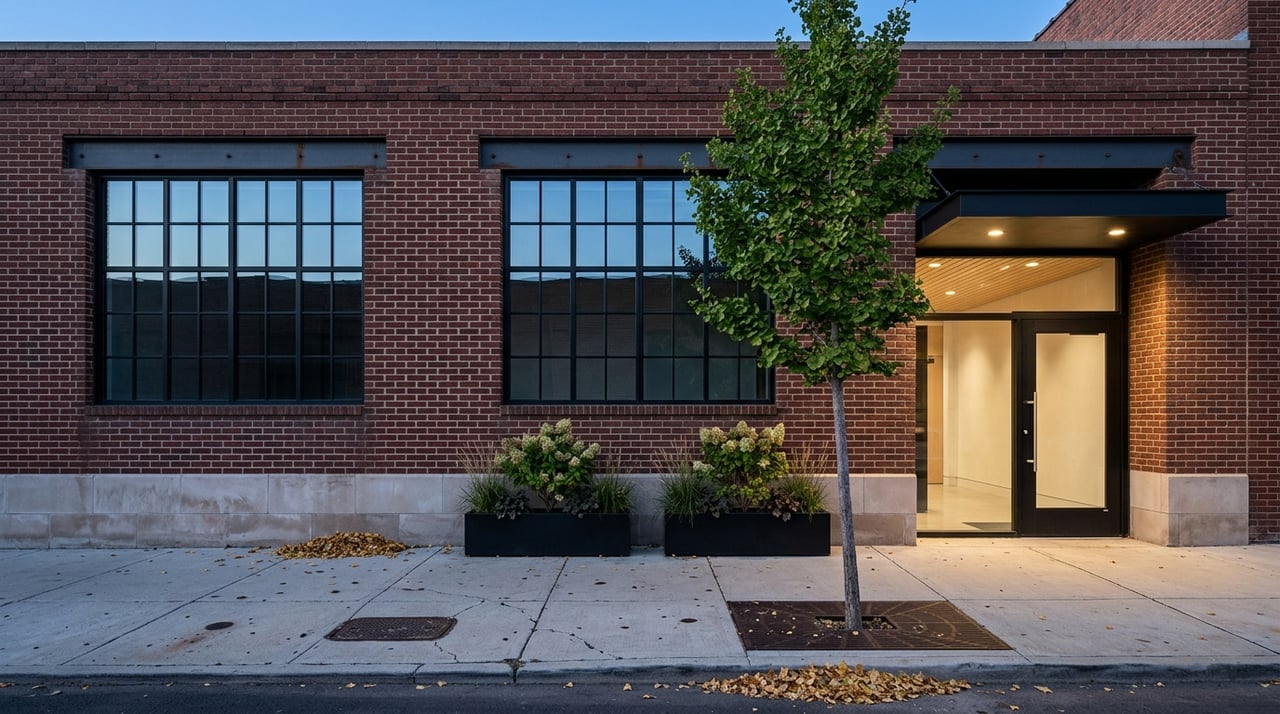
If you want a home with real Detroit character, Eastern Market is hard to ignore. This is not a quiet, tucked-away residential pocket. It is a historic market district where food, art, events, and new housing all meet in one of the city’s most recognizable urban settings. If you are considering loft living here, this guide will help you understand what daily life can look like, what to expect from the housing mix, and which practical details matter before you buy. Let’s dive in.
Why Eastern Market Feels Different
Eastern Market is more than a weekend destination. It is Detroit’s historic public market district, and it functions as a regional food hub with a strong connection to local food access, small business activity, and year-round community programming.
That mix gives the neighborhood a distinctive live-work feel. The area includes preservation-sensitive historic spaces, active market sheds, and parts of Greater Eastern Market that are planned for mixed residential and industrial use. For you as a buyer, that means the district offers authenticity and energy, but it also comes with a setting that is more active and layered than a purely residential neighborhood.
Its location adds to the appeal. Eastern Market sits beside Midtown and Downtown, and nearby areas such as Hamtramck and Forest Park add even more activity and change to the broader setting. If you want an urban lifestyle where different districts connect easily, that is a major part of the draw.
What Loft Living Means Here
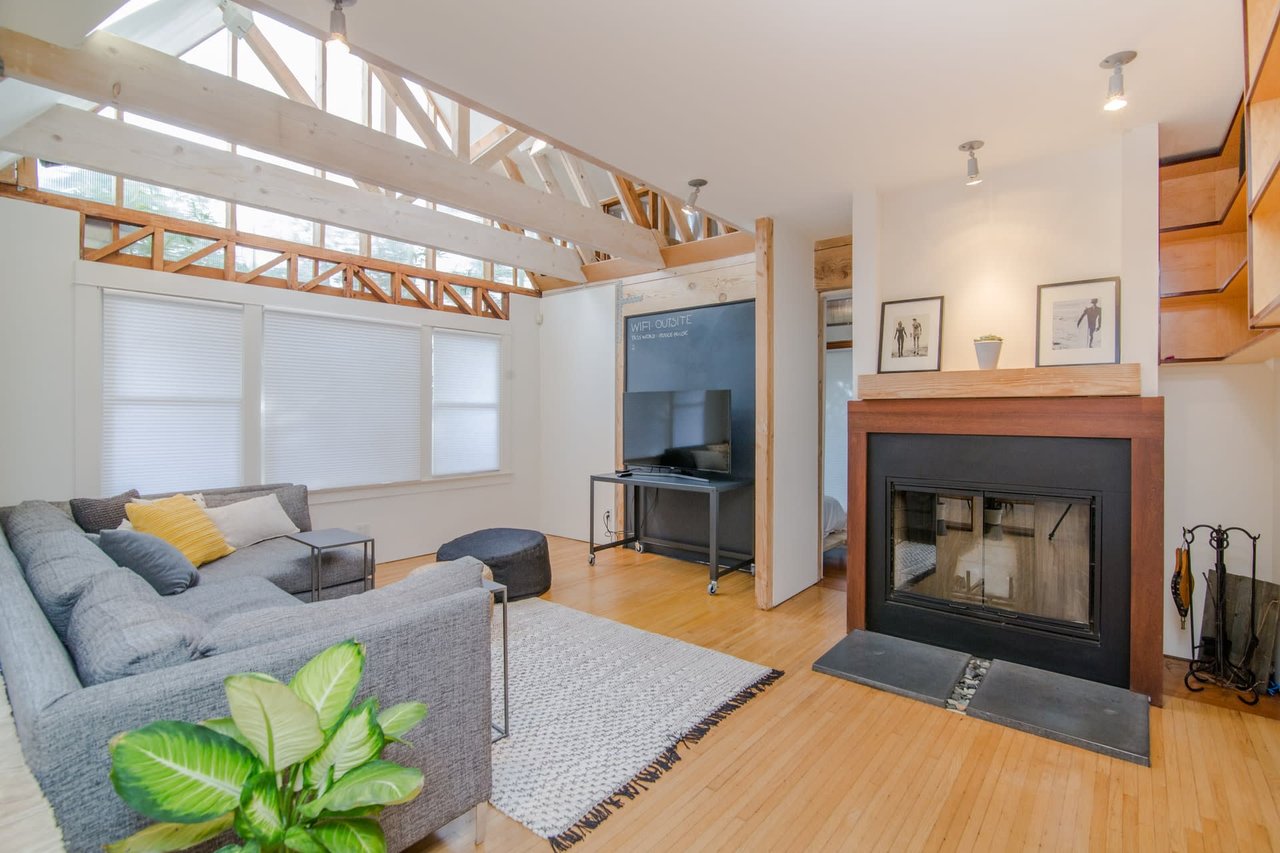
In general, a loft offers open space, high ceilings, large windows, and an industrial-style design language. You may also see exposed brick, visible ductwork, or older architectural details that give a home more texture and personality.
In and around Eastern Market, loft-style living may come in a few forms. Some homes may feel like classic hard lofts created from older industrial or commercial buildings. Others may be newer soft lofts or nearby townhome-style properties that borrow the same open, urban look.
That variety matters because there is no single Eastern Market housing type. The broader area includes both historic fabric and newer construction, so your experience can vary a lot by building, block, and unit orientation.
Hard Lofts vs. Soft Lofts
If you are comparing options, it helps to understand the difference between the two main loft categories.
Hard lofts
Hard lofts are true conversions of older industrial or commercial buildings. They often have the most original character, with details like brick walls, taller ceilings, and older window lines.
Soft lofts
Soft lofts are newer buildings designed to capture the loft feel. You may still get open layouts and industrial-inspired finishes, but the construction and systems are more contemporary.
Why the distinction matters
For some buyers, original architecture is the main reason to choose a loft. For others, newer construction and a more modern layout may feel like the better fit. In Eastern Market, both design approaches can make sense because the district blends history, infill development, and nearby residential growth.
The Eastern Market Lifestyle
The lifestyle here is shaped by motion, activity, and access. Eastern Market is not just a place you visit occasionally. For many residents, it becomes part of the weekly rhythm of how they shop, dine, explore, and spend time with friends.
Saturday is the weekly anchor
Saturday Market is the most dependable weekly event, running year-round from 6 a.m. to 4 p.m. That regular schedule gives the district a built-in sense of energy and routine that few neighborhoods can match.
On busy Saturdays, the district can draw up to 45,000 people. If you love being close to a major city destination, that can feel exciting and convenient. If you prefer calm streets and easy parking every weekend, it is something to think through carefully.
Seasonal market activity adds variety
Beyond Saturdays, Sunday and Tuesday programming appears seasonally or on the current market calendar. That means the district can stay lively beyond one main market day, especially during active seasons.
Food is central to daily life
Eastern Market’s identity is deeply tied to food. The district supports access to healthy and affordable food choices, and many vendors accept Bridge Cards, SNAP, and Double Up Food Bucks. That reinforces the market’s role as a working public place, not just a tourist stop.
You also have a wide range of food-focused experiences nearby. The district is known for shopping, cooking demos, street musicians, and businesses that may be open throughout the week, which helps support a more flexible urban routine.
Art and Events Shape the Experience
Art is one of the strongest parts of Eastern Market’s identity. The district has a long mural tradition, and Murals in the Market returned in 2025 with more than 14 new murals and creative programming across the city.
If you enjoy neighborhoods with visual texture and a strong sense of place, that artistic layer adds a lot. Buildings, public spaces, and even a simple walk through the district can feel more dynamic because art is part of the everyday backdrop.
Events also play a major role in local life. Eastern Market After Dark is a district-wide night market and open-studio event that draws more than 30,000 attendees annually. For you, that can mean exciting evening activity, but it can also mean more foot traffic, sound, and movement near event zones.
Nearby Districts Expand Your Options
One of Eastern Market’s biggest strengths is that it does not stand alone. Its position beside Midtown and Downtown can make it easier to connect daily errands, dining plans, and cultural outings into one part of town.
Midtown is widely known as a cultural hub with museums, restaurants, bars, cafes, shops, nightlife, and the QLINE. If you are looking for a home base that puts multiple Detroit districts within easy reach, Eastern Market offers strong geographic convenience.
Nearby Hamtramck adds another layer of year-round festivals and community events. Forest Park is also part of current housing redevelopment work linked with Eastern Market, including mixed-income housing goals and neighborhood improvements. That means the surrounding residential landscape is still evolving, which can be meaningful if you value a neighborhood with visible momentum.
What Buyers Should Think About
Loft living in Eastern Market can be exciting, but it works best when you go in with clear expectations. This is an active district, and the same traits that make it memorable can also shape your day-to-day comfort.
Ask about noise and activity
Lofts often have open layouts and industrial materials, and sound can travel more easily in this style of home. In an event-heavy district, that becomes even more important.
It is smart to ask about:
- Unit orientation
- Window quality or glazing
- Distance from loading or service areas
- Proximity to market sheds or event spaces
- How busy the block feels during market days and evening events
The city’s planning work for Eastern Market specifically addresses future traffic plans, truck counts, noise, and smell mitigation. That is a good sign that buyers should pay attention to these quality-of-life details before making a decision.
Understand the mixed-use setting
Much of Greater Eastern Market east of Dequindre is planned for mixed residential and industrial use. That means homes, production uses, and service traffic may exist closer together than they would in a traditional residential area.
For many buyers, that is part of the appeal. It can create the authentic urban edge that makes the neighborhood feel real and memorable. Still, it is important to decide whether that style of environment matches how you actually want to live day to day.
Review parking carefully
Parking is one of the most practical questions to ask in this district. Eastern Market notes that parking is free throughout most of the area, but street parking tickets are $45.
That makes building parking, garage access, visitor parking, and market-day logistics worth reviewing in detail. A beautiful loft can feel very different depending on how easy it is for you and your guests to park.
Who Eastern Market Loft Living Fits Best
Eastern Market tends to appeal to buyers who want character, flexibility, and a stronger connection to city life. If you are drawn to architecture, local food, public art, and neighborhoods with an active street presence, this area may feel especially compelling.
It can also work well for buyers who value access to several Detroit districts instead of spending most of their time in one quiet residential enclave. The combination of market culture, nearby dining, and proximity to Midtown and Downtown gives the area a layered lifestyle that feels distinctly urban.
At the same time, this is usually not a set-it-and-forget-it neighborhood choice. You will want to think through event activity, service traffic, parking, and the specific feel of each building. In Eastern Market, the right unit matters just as much as the right neighborhood.
How to Tour Eastern Market Smartly
If you are seriously considering a loft here, your showing strategy should reflect how the district actually functions.
Visit at more than one time
Try to see the area on a market day and on a quieter weekday. That can help you compare crowd levels, traffic flow, parking conditions, and general street activity.
Walk the surrounding blocks
Do not just tour the unit. Walk nearby streets, look at adjacent uses, and notice how close you are to active business areas, event zones, and loading activity.
Compare the building with your routine
Think about how you live now. If you work from home, host guests often, or want easy in-and-out access by car, those needs may shape which loft or nearby residential option makes the most sense.
Eastern Market offers one of Detroit’s most distinctive urban lifestyles. The right home here can give you design character, market access, art, and a front-row seat to a district that continues to evolve. If you want help evaluating loft-style options, nearby condos, or other city properties that fit your goals, connect with Maxbroock Detroit.
FAQs
What is loft living like in Eastern Market Detroit?
- Loft living in Eastern Market usually means open layouts, industrial-inspired design, and close access to food, art, and events in an active mixed-use district.
Are Eastern Market lofts in Detroit noisy?
- They can be, depending on the building, unit orientation, and proximity to market activity, trucks, and events, so it is wise to ask detailed questions before you buy.
Is Eastern Market a good fit for buyers who want walkable city living?
- Eastern Market can appeal to buyers who want convenient access to Midtown, Downtown, dining, markets, and cultural destinations in a connected urban setting.
What should buyers ask when touring an Eastern Market loft?
- You should ask about parking, guest access, window quality, nearby loading areas, event-day crowds, and how the building feels on both busy and quiet days.
Are there only historic lofts in Eastern Market Detroit?
- No. The broader area can include a mix of older converted spaces, newer loft-style homes, and nearby residential options with different layouts and levels of modern finishes.