Thinking about living near Detroit’s Eastern Market and torn between a condo and a loft? You are not alone. Both options offer urban energy, walkable access to food and culture, and unique spaces, but they differ in how you own, what you pay for, and how you live day to day. This guide breaks down the key differences so you can choose the right fit for your lifestyle and budget. Let’s dive in.
What you own: condo vs. true loft
In a condominium, you own your unit and a shared interest in the common elements. A homeowners association manages the building, collects dues, and enforces bylaws under the Michigan Condominium Act. The association’s master policy typically insures common areas, and you carry an HO-6 policy for your interiors and belongings.
“Loft” can mean two different things. Some lofts are legally condos with an open-plan, industrial aesthetic. Others are conversions of warehouse or commercial buildings that may be organized as residential condos, commercial condos, or remain under commercial rules. Always confirm the legal structure of the specific building before you fall in love with a space.
Pay close attention to unit boundaries and responsibilities in the building documents. Different projects define what is owner vs. association responsibility in different ways, including windows, mechanicals, and even interior walls. Also review bylaws for pets, rental rules, renovation limits, storage, and parking allocations.
Lifestyle in Eastern Market
Layout and finishes
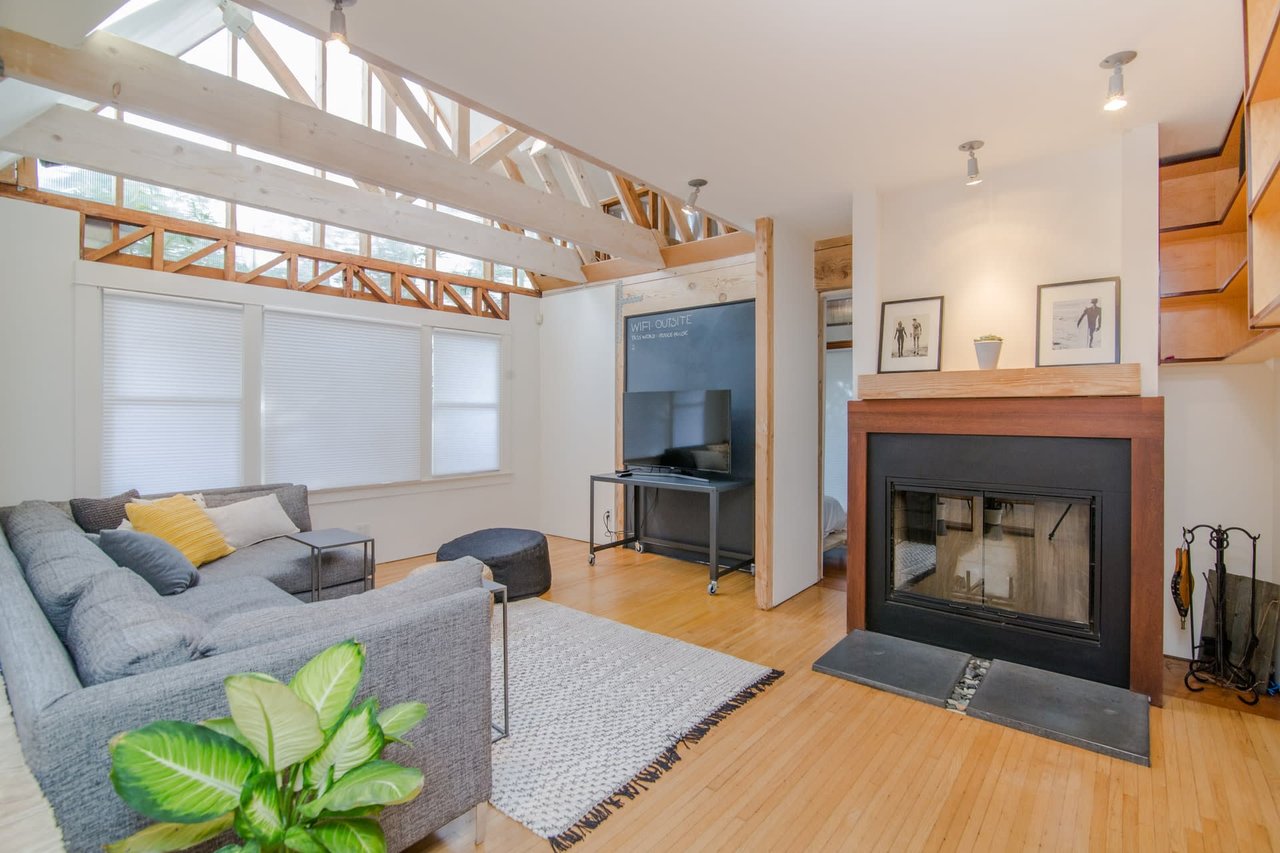
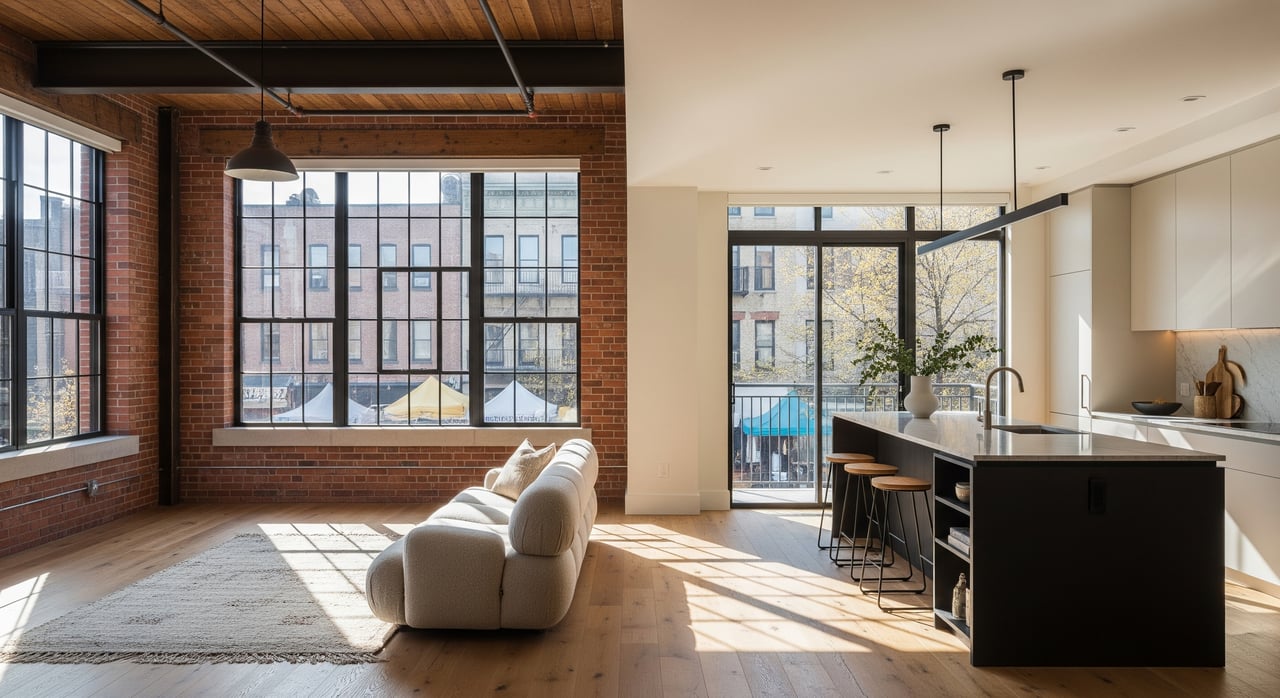
Condos range from modern mid-rise plans with defined rooms to loft-style condos with open layouts. Newer condo developments often include built-in closets, subdivided bedrooms, and contemporary kitchens and baths. True loft conversions tend to feature exposed brick, tall ceilings, large industrial windows, and flexible open space.
Noise and privacy
Open-plan lofts feel expansive, but they offer less internal privacy unless you add partitions. Sound performance depends on the building. Heavy masonry and concrete can reduce some airborne noise, while older window seals or thin interior partitions can let noise travel.
Mechanical systems and utilities
Modern condos often have in-unit HVAC and updated mechanicals. Older conversions may show exposed ductwork and mixed systems. Confirm which utilities are individually metered and which, if any, are included in dues, and verify whether HVAC and hot water are unit-level or common.
Parking and storage
Parking is a practical consideration in and around Eastern Market. Many historic buildings were not designed with today’s parking ratios. Some projects include a garage or assigned surface spots, while others rely on separately leased spaces or street parking. Expect tighter parking conditions during market days and events.
Amenities and shared spaces
Condos often offer more amenities, such as secure entries, elevators, package rooms, fitness spaces, bike storage, and rooftop decks. Loft conversions may be simpler on amenities, though some include unique shared spaces like galleries or studios. Decide whether character or conveniences matter more in your daily routine.
Dues, reserves, and special assessments
HOA dues support maintenance of the exterior envelope, common systems, and shared services like landscaping and snow removal. Read the declaration to see exactly what is covered in your building. Some associations include certain utilities in dues.
Review the association’s financials, reserve balance, and recent capital projects. Older warehouse buildings can face larger capital needs over time, such as windows, roofs, or structural work. Understand the history of special assessments and whether reserves align with the building’s age and condition.
Financing and insurance basics
Lender underwriting for condos looks at both you and the project. Factors such as master insurance, reserves, owner-occupancy ratio, and litigation can affect loan options. Some projects are not approved for certain programs, which can limit low-down-payment paths.
If a “loft” is part of a commercial or mixed-use condominium, different lending standards may apply, including higher down payments or commercial terms. Buildings with deferred maintenance can also trigger lender conditions.
Match your HO-6 policy to the master policy. Confirm whether the association carries a bare-walls or all-in master policy and insure to the gaps. Historic structures or unique materials can affect premiums, so ask your insurance agent to review the condo documents and building details.
Taxes and resale considerations
Detroit property taxes apply, and some projects may have local abatements or homestead eligibility. Review the tax bill and any abatement history for the unit you are considering.
For resale, lofts typically appeal to buyers who value industrial character and open living. Condos with secure parking, amenities, and strong association health may draw a broader buyer pool. Small associations can carry higher per-unit risk for future assessments, while larger, professionally managed communities often feel more predictable to buyers and lenders.
Eastern Market realities to know
Eastern Market blends active market sheds, retail, dining, and increasing residential options. You will see small warehouse conversions, infill condo buildings, and mid-rise projects extending toward Midtown and Brush Park. The area is highly walkable for food and retail, and biking to Downtown or Midtown is common.
Parking can be limited at peak times. Plan for market days and events, and confirm where your building’s parking is located. If you plan to host guests frequently, think through guest parking as well.
If you intend to rent your unit short term, know that the City of Detroit requires registration or licensing for short-term rentals and sets operating rules. Your HOA may impose stricter limits or outright bans on short-term rentals. Always verify both city requirements and association rules before you buy.
How to choose your best fit
- Choose a condo if you want predictable services, clearer rules, and amenities like fitness rooms or secure lobbies.
- Choose a true loft if you prize character, volume, and flexible open space, and you are comfortable with more variability in finishes and building rules.
- Prioritize a building with documented reserves and recent capital work if you want fewer surprises over time.
- If you need FHA or VA financing, confirm project eligibility before you focus on older conversions or mixed-use buildings.
What to verify before you offer
Use this quick checklist while touring and during due diligence:
- Verify legal type: residential condo, mixed-use, or commercial structure.
- Request condo declaration and bylaws, meeting minutes, budget, reserve study, insurance certificate, and any litigation or assessment notices.
- Clarify boundaries and responsibility for windows, exterior walls, roof, HVAC, and plumbing.
- Confirm HOA dues, what they include, reserve balance, and history of special assessments.
- Check parking type and location, storage availability, and neighborhood parking realities during market days.
- Review rental policies, including short-term rules and city licensing requirements.
- Confirm lender compatibility and program approvals for your loan type.
- Inspect noise patterns, window condition, and mechanical systems during the tour.
Your next step
Choosing between condo and loft living in Eastern Market comes down to how you want to live, what you want included, and how comfortable you are with the trade-offs of older conversions. With the right due diligence, you can secure a space that fits your daily life and long-term goals.
If you want a local perspective on specific buildings, documents, and financing paths, connect with the team at Maxbroock Detroit. Our downtown specialists bring heritage credibility, development expertise, and integrated services for mortgage, title, and relocation to make your move seamless.
FAQs
What defines a true loft in Detroit?
- A true loft is usually a warehouse or industrial conversion with open plans and industrial features, and it may be organized as a residential condo or as part of a commercial or mixed-use structure.
Are short-term rentals allowed in Eastern Market buildings?
- It depends on both the City of Detroit’s licensing rules and your HOA bylaws, so you must verify municipal requirements and association policies before buying.
How do HOA dues differ between condos and loft conversions?
- Condos often include broader building services and amenities in dues, while some loft conversions have simpler amenities and different responsibility splits that can affect owner costs.
Can I use FHA or VA financing for a loft in Eastern Market?
- Only if the project meets the program’s approval standards; older conversions or mixed-use projects may require conventional or different loan types, so check eligibility early.
What parking should I expect near Eastern Market?
- Options range from on-site garages and assigned surface spaces to leased lots and street parking, and availability is tighter during market days and events.
What documents should I review before making an offer?
- Ask for the declaration, bylaws, budget, reserve study, insurance certificate, recent minutes, and details on assessments, litigation, unit boundaries, and maintenance responsibilities.