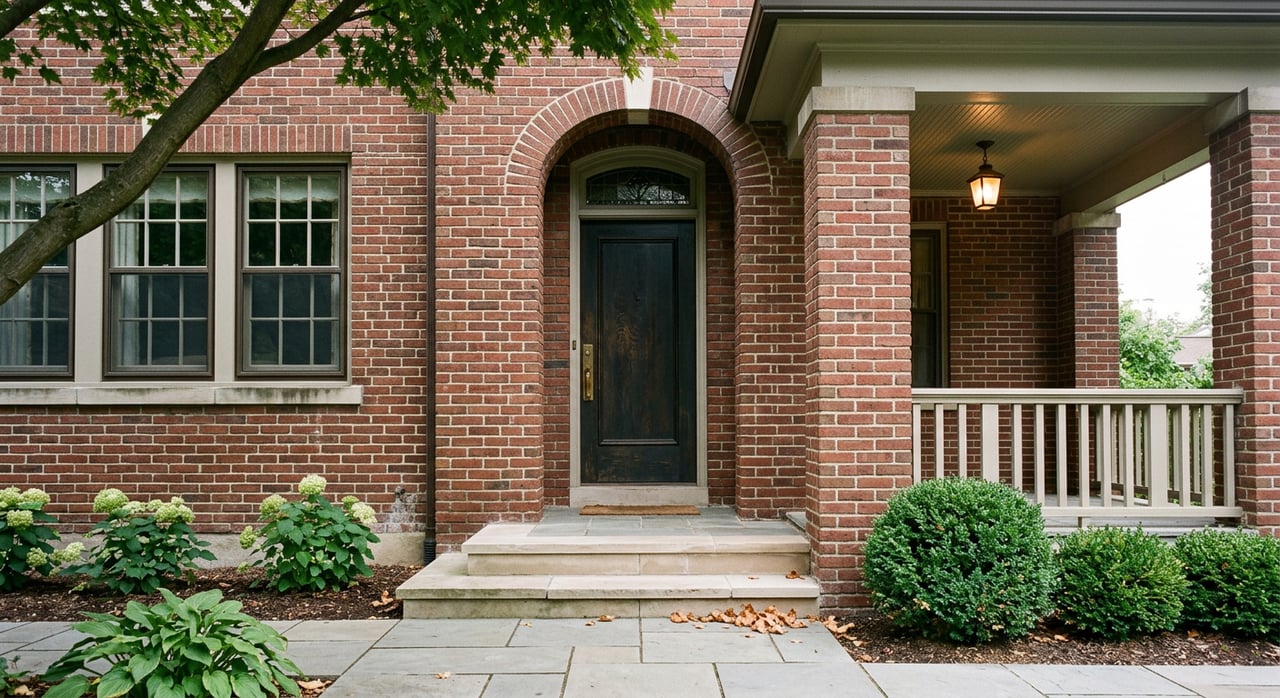
Dreaming of a grand Detroit boulevard home with slate roofs, leaded glass, and original woodwork? If Boston-Edison or Arden Park has caught your eye, you’re looking at two of the city’s most architecturally cohesive historic districts. These homes reward good stewardship and smart planning. In this guide, you’ll learn how historic status affects your purchase, what to inspect, which incentives can offset costs, and the steps to buy with confidence. Let’s dive in.
Boston-Edison and Arden Park at a glance
Architecture and streetscape
Boston-Edison spans about 36 blocks between Boston Boulevard and Edison Avenue, Woodward to Linwood, with roughly 900 single-family homes, most built in the early 20th century. Expect two-story brick, stone, or stucco houses with substantial setbacks, slate or tile roofs, and detailed stone surrounds that create a unified streetscape. You can explore the district’s history and character through the neighborhood association’s overview on the Boston-Edison history page.
A few blocks to the east, Arden Park–East Boston concentrates about 90 to 100 homes on two landscaped boulevards between Woodward and Oakland. Large lots, park-like medians, and high-quality early 1900s architecture define the feel. Get a quick snapshot on the Arden Park–East Boston page.
New Center and Virginia Park context
Both neighborhoods sit near New Center, anchored by the Fisher Building and Cadillac Place, with quick access to Midtown and downtown amenities. Nearby Virginia Park marks New Center’s northern edge and adds to the area’s historic fabric. For context on this border district, see the Detroit Historical Society’s Virginia Park overview.
How historic status shapes your purchase
What the Detroit HDC reviews
Homes within these locally designated districts are subject to the Detroit Historic District Commission. For most exterior changes visible from the street, you must obtain a Certificate of Appropriateness before pulling permits. Depending on scope, HDC staff can approve some smaller projects, while larger, visible work goes to the full Commission on a set schedule. Review the city’s HDC submission guidance and checklist so you understand timing and documentation before you plan work.
What to verify during contingencies
During your contingency period, ask the seller for prior HDC approvals, building permits, final inspections, and invoices for major work. Check for open permits or violations. If you plan visible exterior changes, confirm whether they are staff- or Commission-level items and build that timeline into your budget and move-in expectations.
HDC/COA quick-start
- Identify whether the house sits within a local historic district boundary and confirm what you want to change on the exterior.
- Review the city’s COA documentation list and assemble photos, drawings, and material specs early.
- Ask HDC staff if your scope is eligible for staff approval or requires a Commission hearing, then note meeting dates.
- Factor several weeks for review into your project plan, especially for visible roofing, windows, porches, or facade work.
What inspections and issues to expect
High-priority systems to evaluate
Early 1900s homes often show patterns you want to catch early. Look for foundation settlement and moisture intrusion at grade and basements. Roofs, chimneys, and flashing are frequent sources of water damage in slate or tile systems. Electrical systems may include knob-and-tube or undersized panels that affect safety and insurance. For older plumbing and heating, plan for the potential of cast-iron or galvanized piping and legacy steam or boiler systems. Add specialty checks like chimney, sewer scope, and environmental testing where needed.
For pre-1978 homes, use certified firms and lead-safe practices if you disturb paint. The EPA’s Renovation, Repair and Painting guidance explains what’s required and when to test or abate. Review the EPA RRP program overview as you price work.
Preservation-sensitive repairs and costs
- Masonry: Historic brick needs compatible lime-based mortar. Expect price variability for repointing, with typical published ranges from roughly 3 to 25 dollars per square foot depending on access and historic matching. See a clear comparison of tuckpointing vs. repointing approaches in this Angi explainer.
- Windows: The preservation best practice is repair plus weatherstripping and storm windows over full replacement. The National Trust’s study shows retrofit strategies can deliver most of the energy savings at a fraction of high-end replacement costs. Review the analysis in Saving Windows, Saving Money.
- Roofs and porches: Matching slate or tile and original porch details preserves character and often requires HDC review. Budget time for approvals and quotes from contractors experienced with historic materials.
Smart energy upgrades for old homes
Start with low-visibility measures that respect character and deliver strong value: air sealing, attic insulation, tuned mechanicals, and high-quality storm windows. The National Park Service encourages energy improvements that align with the Secretary of the Interior’s Standards, which your HDC will use to evaluate exterior work. See NPS guidance on standards and incentives in the Historic Preservation Tax Incentives portal.
Budgeting, incentives, and taxes
Michigan state historic tax credit
Michigan’s state historic tax credit program can help offset qualified rehabilitation work. Owner-occupants and commercial owners can apply, but you must start before work begins and follow the three-part application process through the state’s preservation office. Learn eligibility and steps on the MiPlace program page.
Federal historic tax credit
A 20 percent federal credit exists, but it applies to income-producing, certified historic structures and requires meeting the Secretary’s Standards. Single-family, owner-occupied residences typically are not eligible. For an overview of how the certification and Parts 1–3 work, review the NPS Historic Preservation Tax Incentives.
NEZ homestead exemption in Boston-Edison
Boston-Edison participates in Detroit’s Neighborhood Enterprise Zone homestead exemption. If you purchase and occupy a qualifying home and meet program rules, you may receive a property tax reduction for a set period. The neighborhood association outlines the basics and links to city resources on the NEZ homestead exemption page.
Ongoing ownership costs to plan for
- Maintenance: Historic materials need periodic specialist care, including paint, flashing, repointing, and wood repair.
- Utilities: Pre-insulated walls, single-pane windows, and older systems can increase energy use; start with preservation-friendly retrofits that deliver strong returns.
- Insurance: Replacement with like-for-like materials can raise premiums. Obtain quotes during your contingency.
Due-diligence checklist for buyers
- Confirm designation. Verify if the property is in a local historic district, on the state or national registers, or both. Ask for the local designation or National Register documentation.
- Collect the paper trail. Request seller files for HDC approvals, permits, final inspections, warranties, and invoices for major work.
- Expand your inspections. Hire a home inspector experienced with older properties and add specialty scopes as needed: structural engineer, chimney, sewer camera, electrical safety, HVAC/boiler specialist, and testing for lead or asbestos.
- Clarify HDC timing. If you plan visible exterior changes, consult HDC staff on whether your work is staff- or Commission-level and set realistic timelines.
- Price your plans. Get 2–3 quotes from preservation-experienced contractors before closing and use those numbers to negotiate or set repair escrows.
- Explore incentives early. If you will pursue the Michigan state credit or a federal credit for an income-producing project, begin applications before any work starts.
- Plan for lead-safe compliance. If the home predates 1978, assume EPA RRP rules apply to paint-disturbing work and budget accordingly. Review the EPA RRP guidance.
Why a Detroit historic specialist matters
Buying in Boston-Edison or Arden Park is about more than square footage. It is about honoring a protected streetscape and aligning your plans with HDC expectations. An agent fluent in these districts can help you read condition versus character, anticipate approval timelines, and connect you with masons, window restorers, and preservation-savvy contractors.
You also benefit from coordinated services that remove friction. From lending guidance to title and relocation support, a well-integrated team helps you move from offer to closing with confidence.
Ready to talk strategy for a specific home, line up the right inspections, and map your first projects? Connect with Maxbroock Detroit for local insight, trusted contractor introductions, and a clear plan to make a historic Detroit house your next home.
FAQs
What makes Boston-Edison and Arden Park historically significant?
- Both are locally designated and National Register-listed districts known for cohesive early 20th-century architecture, landscaped boulevards, and high-quality original materials.
How does Detroit’s HDC approval process affect exterior work?
- Most visible exterior changes require a Certificate of Appropriateness before permits; staff can approve limited scopes, while larger items go to the full Commission on a set schedule.
What inspections are most important for 1900–1930 homes?
- Prioritize structure, moisture, roofing and chimneys, electrical safety, plumbing and heating, and environmental testing for lead or asbestos where needed.
Are there incentives for owner-occupants in Boston-Edison?
- Yes. The Neighborhood Enterprise Zone homestead exemption may reduce property taxes for eligible owner-occupants in Boston-Edison; review program details and timing before you apply.
Do federal historic tax credits apply to single-family homes?
- Typically no. The 20 percent federal credit is designed for income-producing, certified historic structures that meet the Secretary’s Standards and go through NPS/SHPO review.