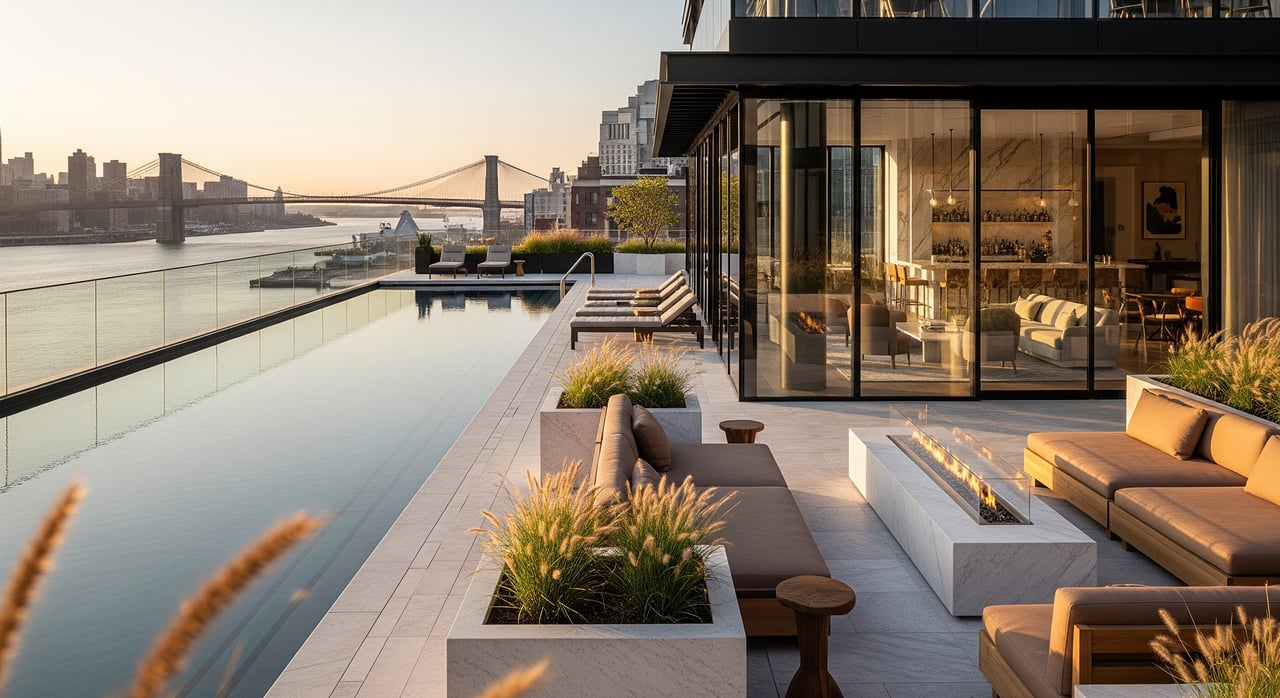
Standing on the Detroit Riverwalk, it is easy to see why riverfront condos keep turning heads. You get skyline views, a front-row seat to parks and festivals, and the ease of lock-and-leave living. If you are focused on the Lower Eastside’s Rivertown and Gold Coast, the amenities you choose will shape both your lifestyle and your resale value. This guide breaks down which features are moving the market, how they influence pricing, and which buildings best match your needs. Let’s dive in.
Why Rivertown and Gold Coast draw buyers
Rivertown and the Gold Coast sit along Detroit’s international riverfront next to Downtown and Atwater. You will find a mix of historic loft conversions, mid-rise and high-rise towers, and newer infill condos. Some buildings keep dues low with a limited amenity set, while others deliver full-service, hotel-like living.
Public investment has transformed the riverfront into an active destination. The Detroit Riverfront Conservancy’s parks, promenades, and programming increase foot traffic and lifestyle value, which supports demand for nearby housing. Even as broader market conditions have shifted, well-located, amenity-rich riverfront condos have generally held buyer interest better than older, amenity-light options.
The amenities moving the market
Secure, assigned parking
In Detroit, secure, assigned garage parking is a top priority. Many buyers still rely on cars for commuting and errands, especially suburban move-ins and frequent travelers. Deeded or assigned spaces reduce day-to-day hassle and boost peace of mind.
Parking also carries a price signal. In many condo regimes, spaces may be deeded, transferred, or leased, and that structure affects valuation. Buildings with scarce covered parking often see noticeable premiums for units that include a dedicated stall.
What to check when touring:
- Is the stall deeded, assigned, or leased, and does it transfer at closing?
- Is parking covered, heated, and secured, and are there guest options?
- How many spaces are available per unit, and is there a waitlist?
Water views and direct river access
Water and skyline views have strong emotional appeal and help a property stand out. Buyers who entertain, work from home, or prioritize wellness often place real value on quiet, inspiring outlooks. In condo buildings, a true view premium is usually reflected directly in list price.
Expect view quality to depend on floor level, orientation, and distance to the water. Units that pair views with modern finishes and strong building amenities tend to see faster market times. Ask about any balcony rules or window replacement plans that could affect view enjoyment.
Private outdoor space and shared terraces
Demand for usable private outdoor space grew during and after the pandemic and has stayed elevated. Balconies and terraces bring a slice of the riverfront home and make everyday living feel larger. Well-designed shared spaces like roof decks and courtyards also add community value.
Buyers respond to size, usability, and privacy. A deep balcony that fits seating and a table can act like an extra room in warmer months. On the shared side, quality landscaping, durable furniture, grills, and regular maintenance add real livability.
Key questions to ask:
- Are balconies usable most of the year, and are heaters or screens allowed?
- How are shared terraces furnished and maintained, and what hours apply?
- Are there insurance or reserve considerations for outdoor areas?
Fitness and wellness on site
An on-site gym is a practical amenity that saves time and supports daily routines. In Rivertown and the Gold Coast, many urban professionals and empty-nesters want a convenient fitness option without leaving the building. Pools, saunas, and yoga rooms add a resort-like feel.
There is a trade-off. Larger wellness spaces cost more to operate and can raise HOA dues. Some buyers will happily pay for a complete package, while others prefer leaner buildings with lower monthly costs.
What to look for:
- Size and equipment quality, including free weights and functional training areas.
- Staffing, cleaning schedules, and whether outside memberships or fees apply.
- Whether the amenities are resident-only or shared with neighboring buildings.
Concierge and full-service management
Concierge services appeal to buyers who want ease, security, and a hotel-style experience. Package handling, 24/7 desk coverage, and on-site management create a smoother daily rhythm. For frequent travelers and downsizers, these touches make a real difference.
Full-service buildings often trade at a premium relative to self-managed properties. The premium should justify higher dues and staffing costs, so it is important to review the budget. In resale, full-service positioning can help a unit stand out in luxury searches.
Verify during due diligence:
- Hours and scope of service, including doorman coverage and guest check-in.
- Package policies, short-term security coverage, and camera systems.
- Historical assessments linked to staffing or lobby renovations.
EV charging and parking readiness
EV ownership is rising, and in-building EV charging is quickly becoming a differentiator. Level 2 chargers in the garage give daily convenience, while EV-ready infrastructure signals future flexibility. Younger buyers and environmentally minded homeowners take note when charging is easy and reliable.
Expect different models across buildings. Some include chargers with the stall, others offer pay-per-use or leased options. Electrical capacity, conduit, and panel location matter if the association plans to expand charging in the future.
Ask the building:
- How many chargers exist today, and what is the plan for growth?
- Are chargers assigned, shared, or first-come, first-served, and what are the fees?
- Has the association evaluated utility programs or incentives for multi-unit charging?
How amenities show up in pricing
Amenities influence value through two channels. Unit-level features like a deeded garage space, a private balcony, or a river view typically show up directly in comparable sales. These premiums are the easiest to quantify.
Building-level amenities shape overall desirability and help lift an entire stack of inventory. A staffed lobby, large fitness center, or pool can support higher price per square foot across more floors. These effects are real, but harder to isolate without matched-pair comparisons.
You should also weigh HOA dues and the total cost of ownership. Higher-service buildings carry higher monthly costs, which some buyers gladly accept for the lifestyle. Others prefer lower dues and fewer common spaces to keep monthly payments lean.
Finally, consider lifecycle and reserves. Amenity spaces require ongoing maintenance and capital replacement. Newer, turnkey amenities tend to command a premium, while deferred maintenance erodes perceived value.
Which buyer are you?
Different buyer groups prioritize different amenities in Rivertown and the Gold Coast. Matching your profile to the right building type will help you focus your search.
- Urban professionals and executives: Often prioritize secure parking, water views, strong gyms, and concierge services. They value convenience and are comfortable with higher dues if the service level is high.
- Empty-nesters and downsizers: Maintenance-free living, security, easy garage access, and riverwalk proximity rise to the top. A usable balcony or terrace adds day-to-day enjoyment.
- Investors and seasonal owners: Look for amenity sets that attract stable tenant demand, including fitness, parking options, and river access. Clear leasing policies and steady building operations are important.
- Young couples and first-time move-ups: May focus on practical value. Fitness rooms and assigned parking are popular, while full concierge can be less critical unless priced competitively.
Rivertown/Gold Coast building types at a glance
- High-rise, full-service towers: Best for luxury buyers and those who want a hotel-like experience. Expect doorman or concierge, large fitness centers, valet or secure garage parking, and EV-ready infrastructure. These buildings usually command higher prices per square foot.
- Mid-rise and boutique conversions: Ideal if you want riverfront proximity and character with lower HOA dues. You may get private balconies and dedicated parking without full staffing.
- Newer infill developments: Designed for a modern urban lifestyle and often balance cost with curated amenities. Digital concierge tools and streamlined packages can keep fees manageable.
Smart checklist for tours and offers
Bring this list when you evaluate buildings and units in the Lower Eastside:
- Parking: Deeded vs. assigned vs. leased, stall location, guest parking, EV charging availability.
- Views: Orientation, floor level, sightline protections, and window conditions.
- Outdoor space: Balcony size, furniture clearance, rules for grills or heaters.
- Fitness and wellness: Equipment quality, hours, staffing, and any added fees.
- Concierge and security: Coverage hours, package handling, access controls, camera systems.
- HOA dues: What is included, staffing share, utilities, and reserve contributions.
- Reserves and assessments: Recent projects, planned upgrades, and any EV infrastructure plans.
- Leasing policies: Minimum lease terms and caps if you are considering rental options.
- Riverwalk access: Entry points, pedestrian routes, and event schedules that affect noise and foot traffic.
The bottom line for Lower Eastside condos
On Detroit’s riverfront, the most straightforward premiums are tied to deeded covered parking, private river views, and private outdoor space. These features are easy to see in comps and often translate directly into list price and time on market. Building-level amenities like a staffed lobby and large fitness suite elevate lifestyle and support higher pricing, but they come with higher dues.
EV charging is an emerging must-have and can be a tiebreaker as adoption grows. As you tour Rivertown and Gold Coast buildings, weigh the lifestyle you want against the total monthly cost. A focused plan will help you secure the right home and protect your resale.
Ready to compare buildings, run matched-pair comps, and weigh dues against value? Connect with the local team that knows this market, its amenities, and its trade-offs. Start the conversation with Maxbroock Detroit.
FAQs
Which amenities add the most value on Detroit’s riverfront?
- Deeded covered parking, private river views, and usable private outdoor space are the most consistently quantifiable premiums in Rivertown and the Gold Coast.
How do HOA dues affect affordability in amenity-rich buildings?
- Higher-service amenities increase monthly dues, so compare total cost of ownership by adding mortgage, taxes, and HOA to see if the lifestyle premium fits your budget.
Do Rivertown/Gold Coast buildings include deeded parking with every unit?
- Parking varies by building and even by stack; some include deeded or assigned spaces while others offer leased stalls, so confirm transfer details before you write an offer.
Do river views typically command a resale premium?
- Yes, water and skyline views commonly support higher list prices and can shorten time on market, with the exact premium depending on view quality and building context.
What should EV owners look for in a condo garage?
- Confirm the presence of Level 2 chargers, the number of ports, fee structure, and whether the association has the electrical capacity and plan to expand charging.
Are concierge services worth the higher HOA dues?
- If you value hotel-like convenience, security, and daily support, concierge and doorman coverage can be worth it, but always weigh the service level against the added cost.
How can I compare two buildings with different amenity sets?
- Use matched-pair thinking by controlling for size, finish level, and floor, then adjust for unit-level features like parking and views while noting how building services affect dues and resale positioning.